Space-Saving Bedroom Wall Light: 5 Creative Ideas for Small Rooms
When you are dealing with a compact bedroom, every single square inch of floor and tabletop real estate acts as high-value currency. The traditional approach to bedside lighting—a chunky nightstand topped with an equally bulky table lamp—is one of the fastest ways to make a small room feel cluttered, restrictive, and visually chaotic. The physical footprint of a lamp base instantly robs you of surface space where you could place your phone, a book, or a glass of water.
The real issue, however, isn’t just physical space; it’s visual weight. Heavy furniture and low-slung, directional table lamps create harsh shadows that chop a small room into tiny, fragmented zones, making it feel even more like a cramped box. To break out of this design trap, you have to look upward. By moving your lighting off your furniture and onto the walls, you reclaim your bedside surfaces while completely altering how your mind perceives the dimensions of the room.
Wall sconces act as a visual magic trick, drawing the eye up, smoothing out shadows, and introducing an effortless, boutique-hotel elegance to tight spaces. If you are ready to rescue your small bedroom from the clutter trap, here are 5 smart, space-saving wall light strategies designed to maximize both function and style by rethinking your How to make a small space look more spacious through lighting layout.
1. Frame the Bed with Dimmable Up-Down Sconces

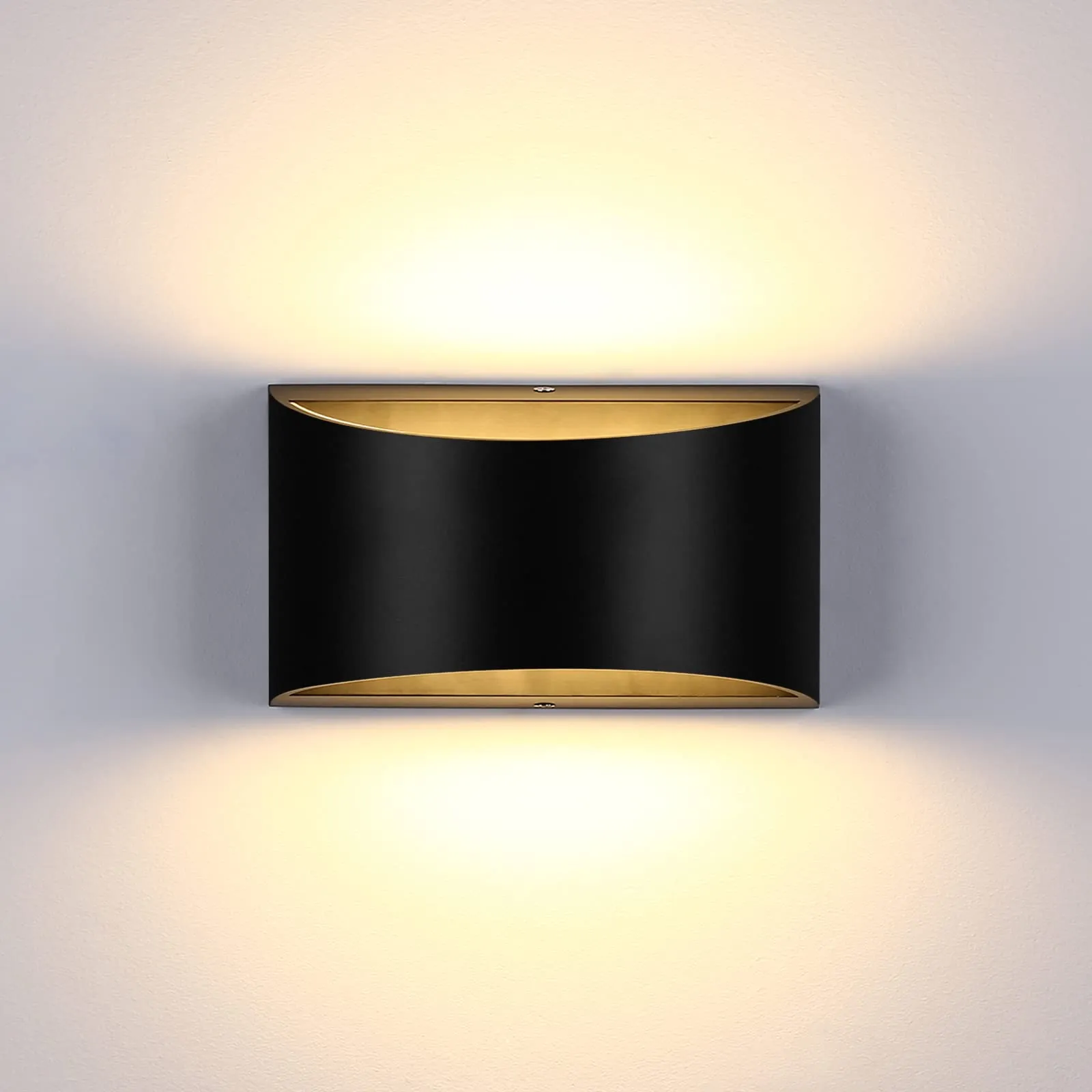
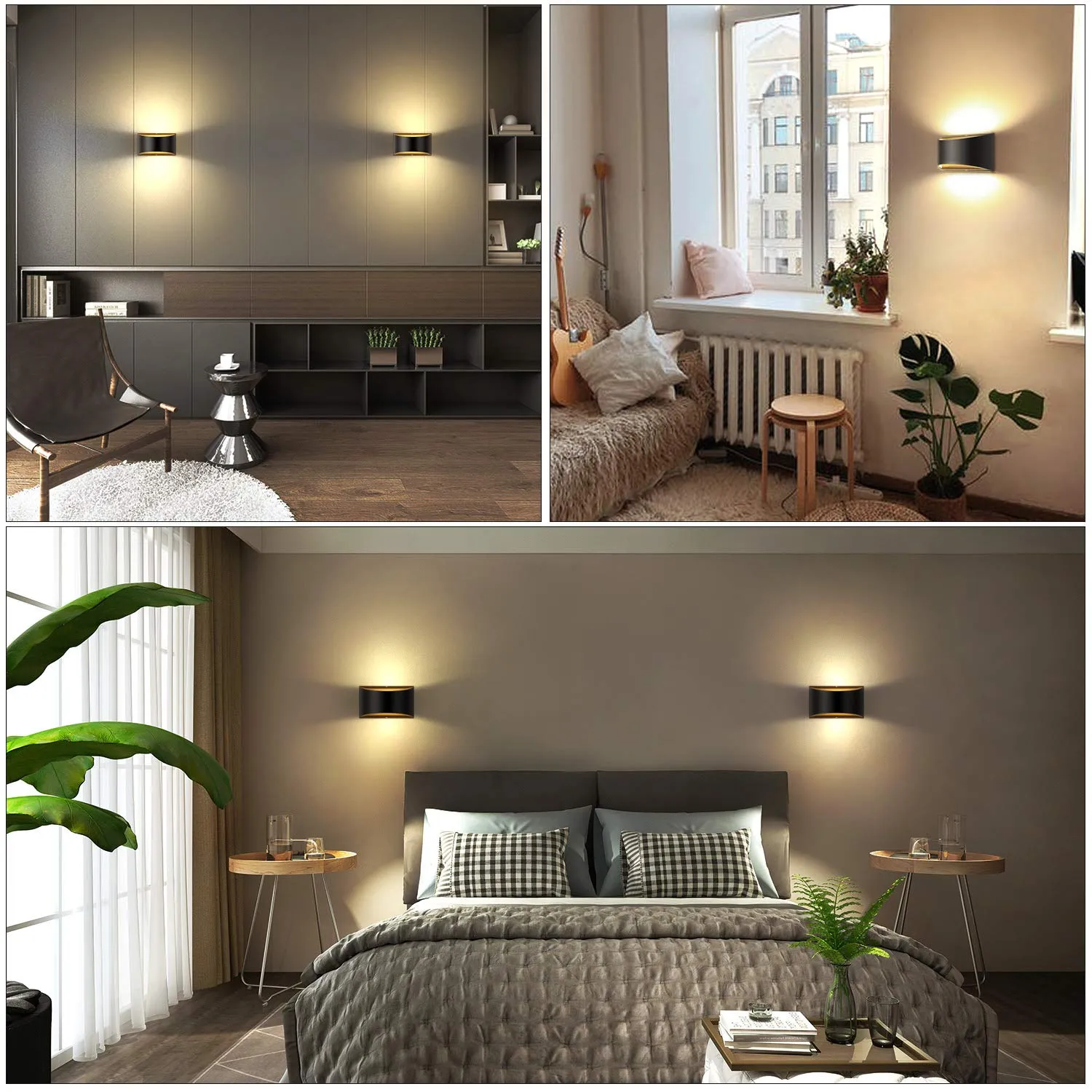
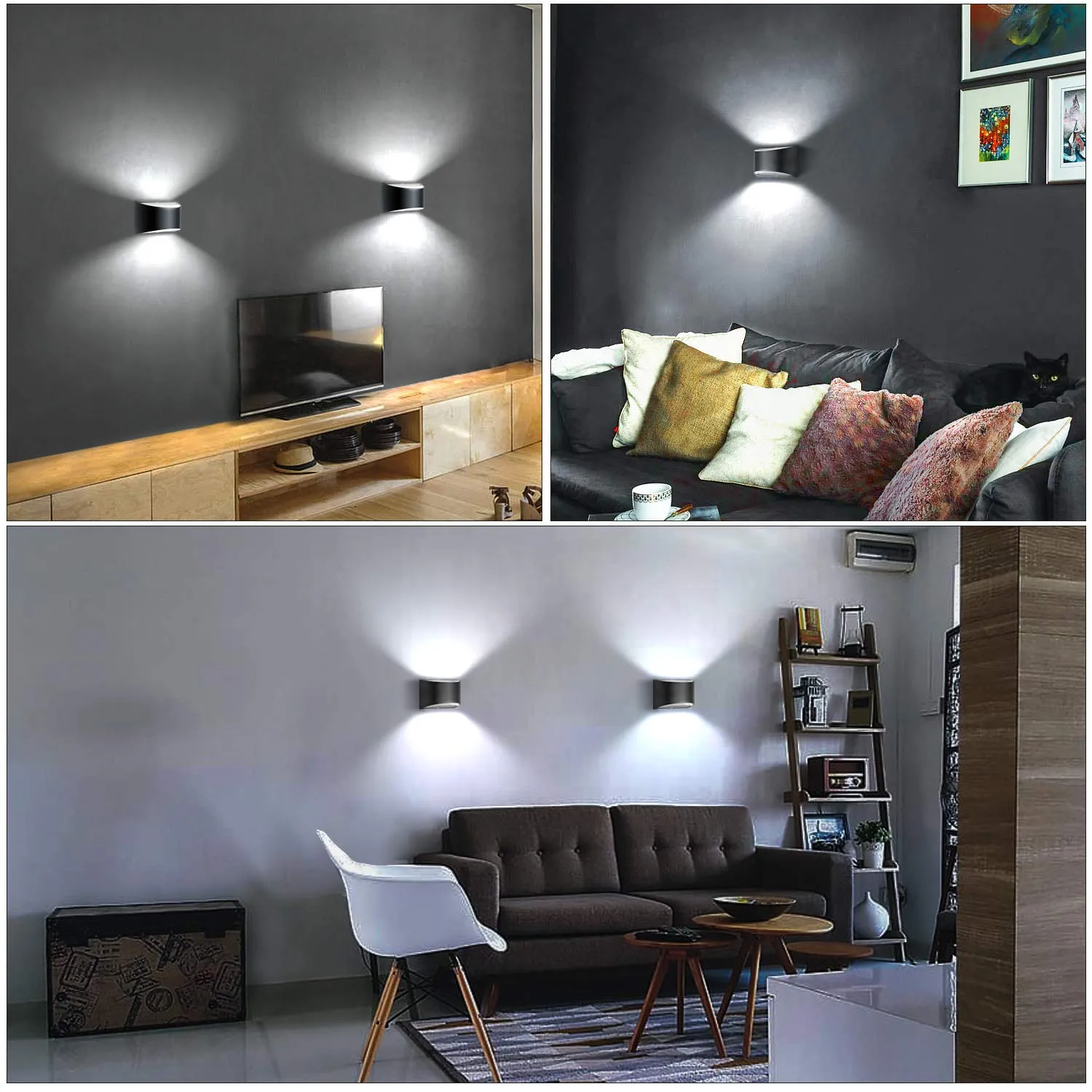
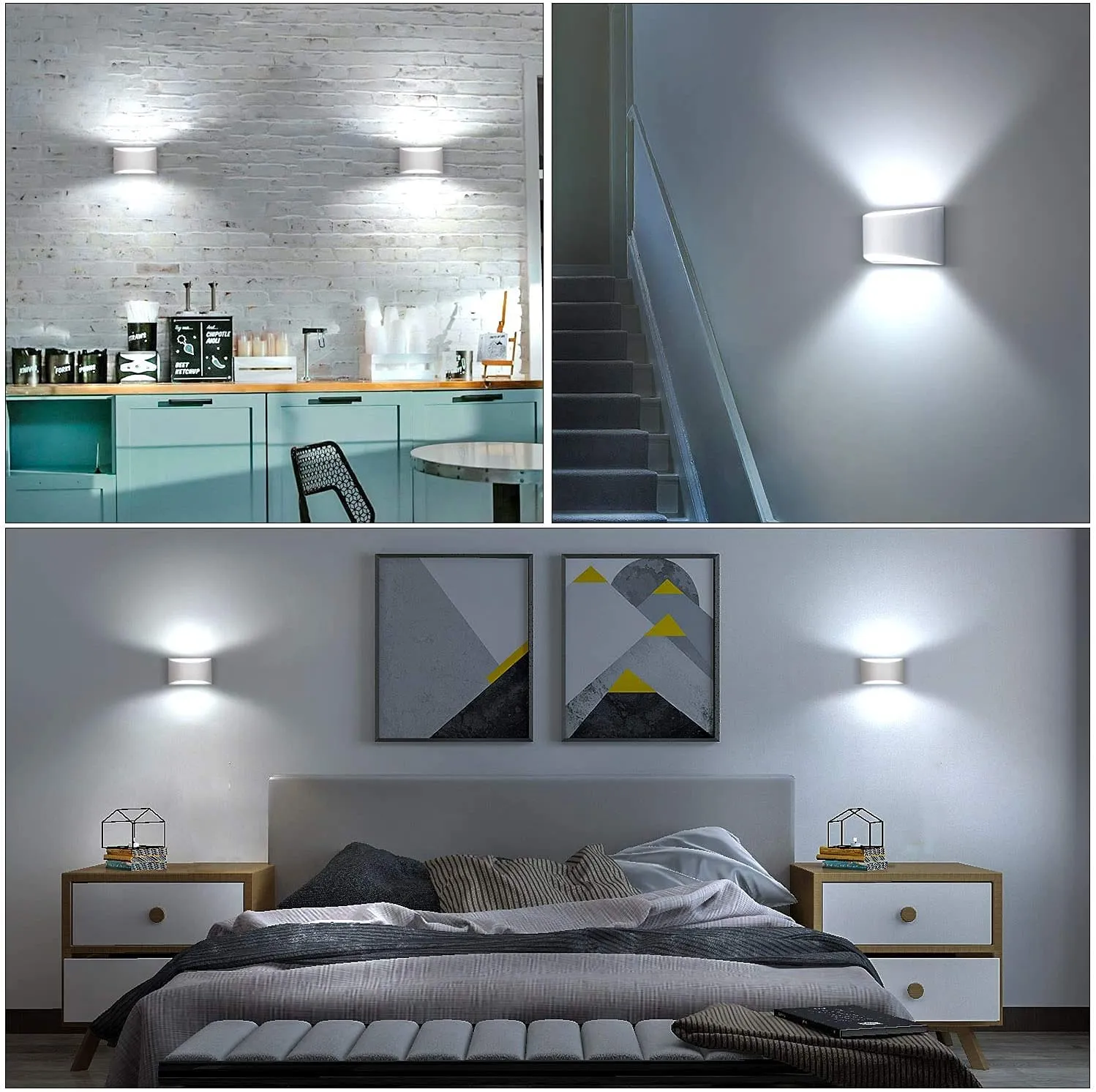
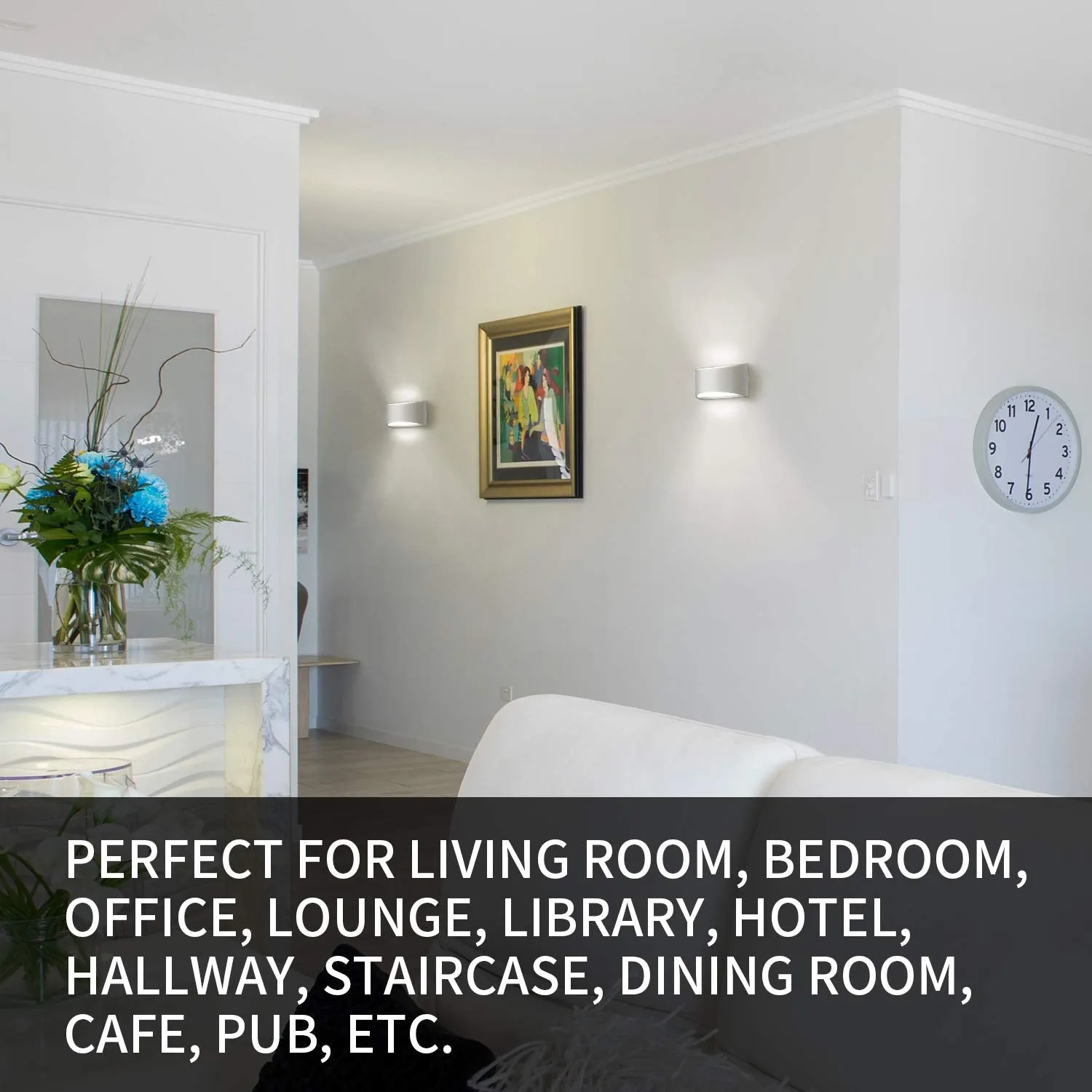
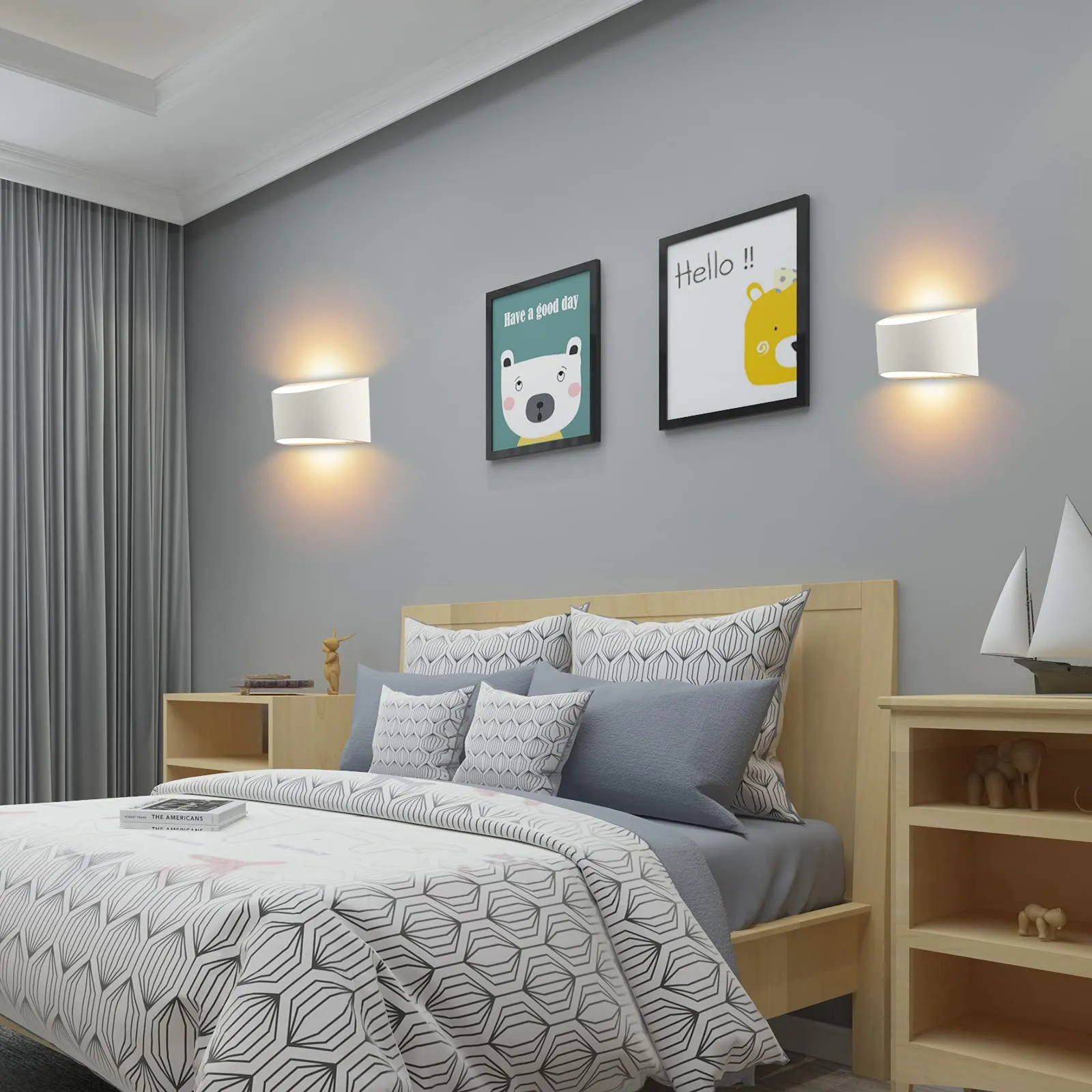
The classic layout for any bedroom is placing lighting symmetrically on either side of the bed. In a small space, however, standard directional wall lamps can sometimes backfire. If a light only shoots downward, it leaves the top half of the wall in deep shadow, which visually lowers the ceiling and emphasizes the room's tightness. The solution is to use dual-directional lighting—fixtures that cast illumination both upward toward the ceiling and downward toward the floor. This creates a balanced wash of light that softens the boundaries of the room, making the walls feel as though they are pushing outward.
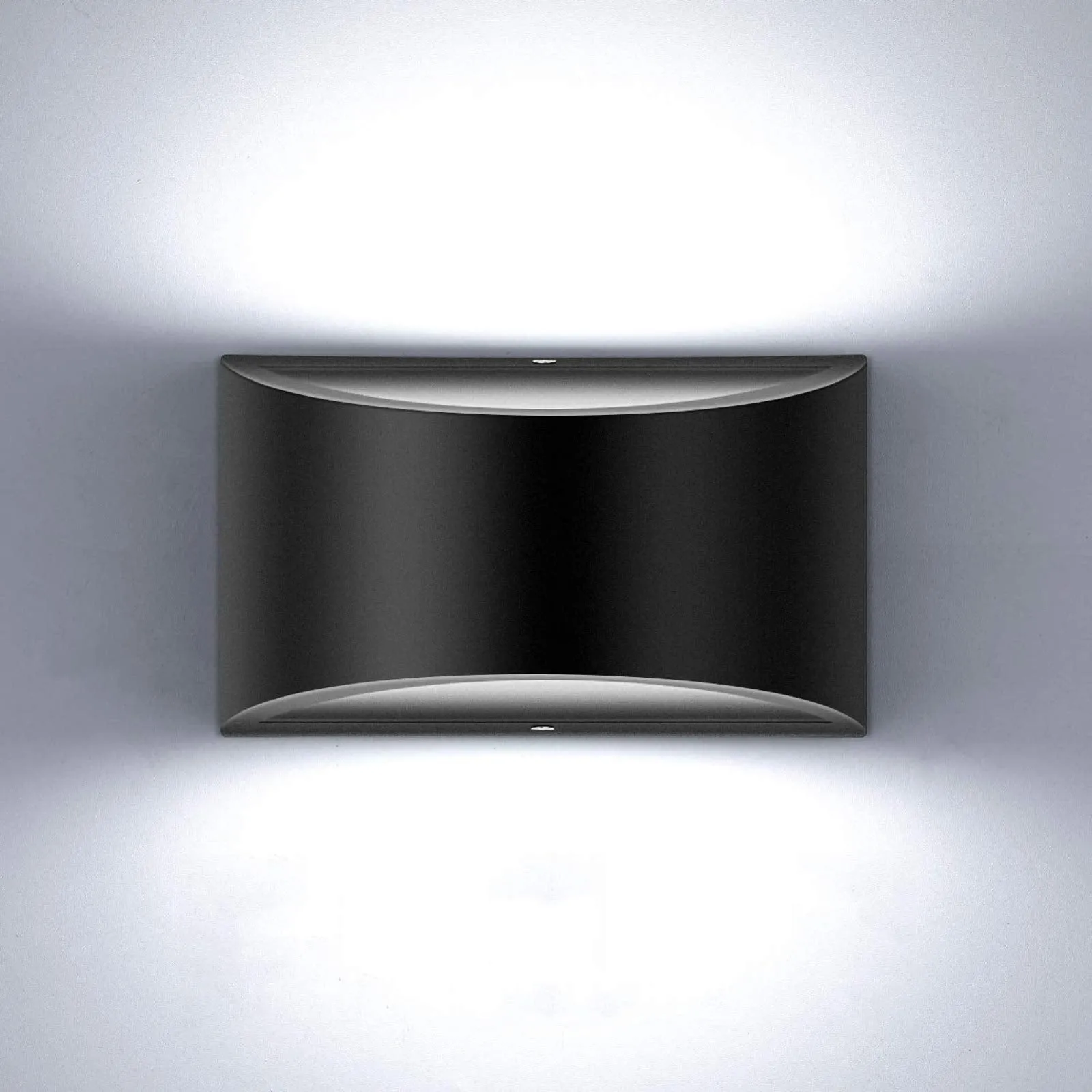
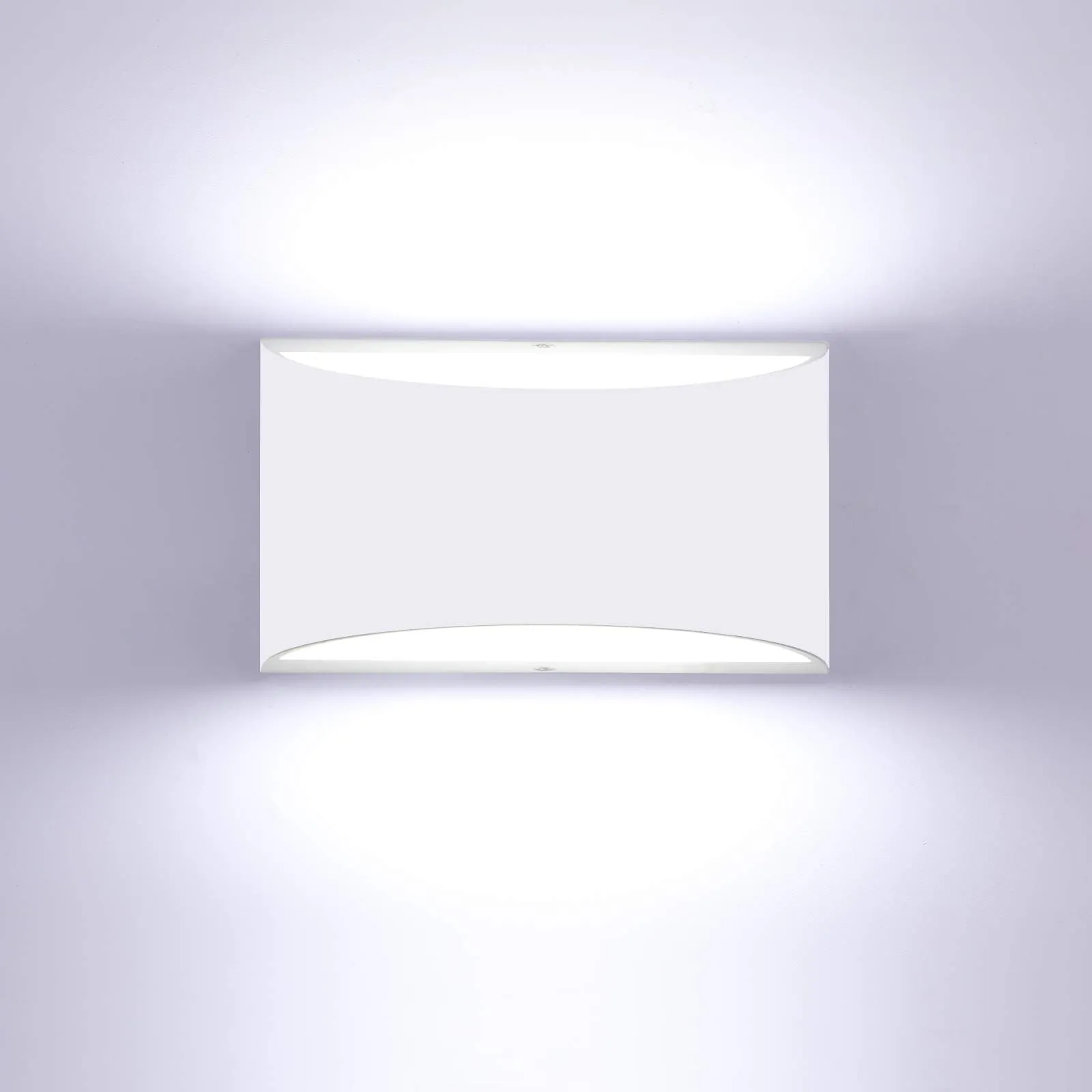
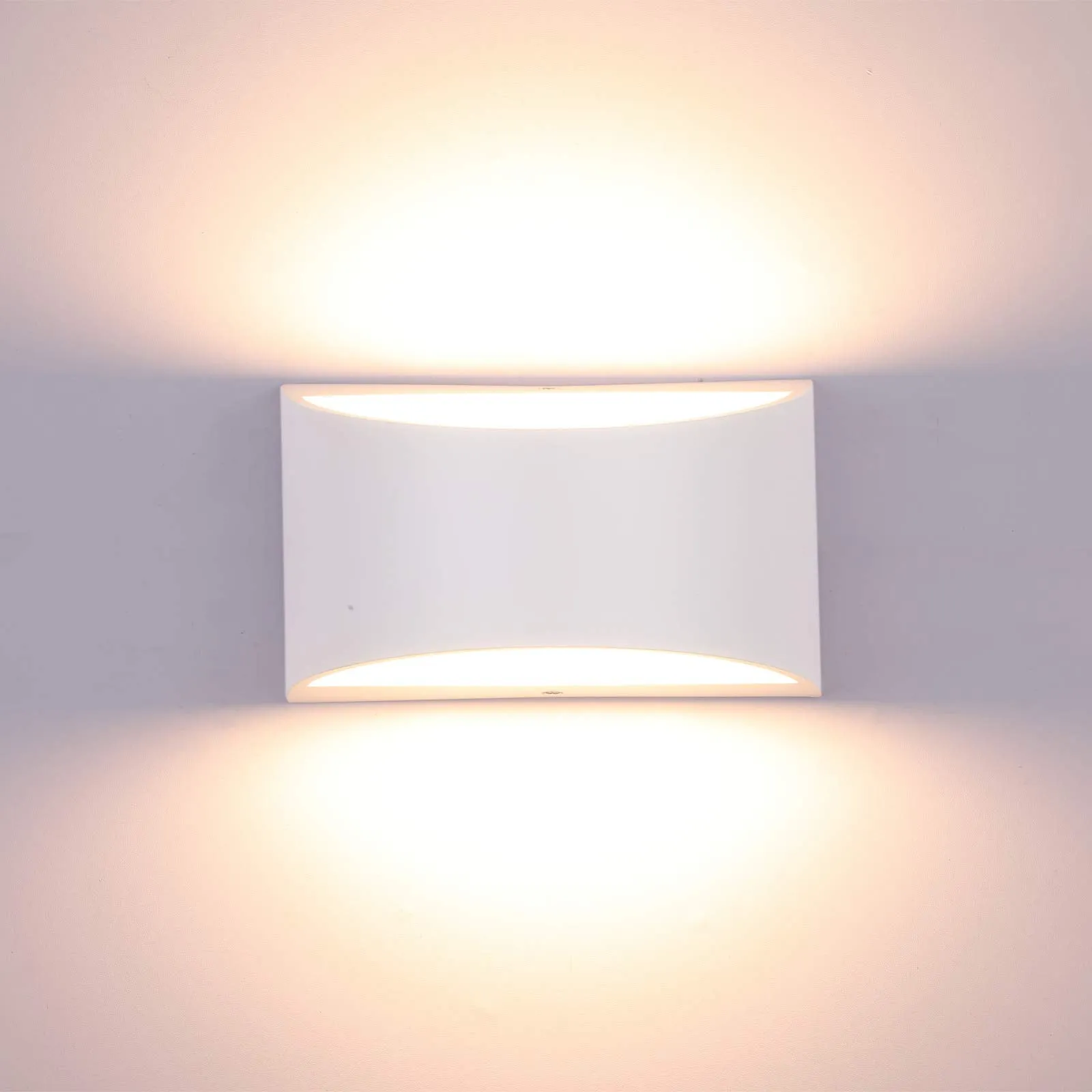
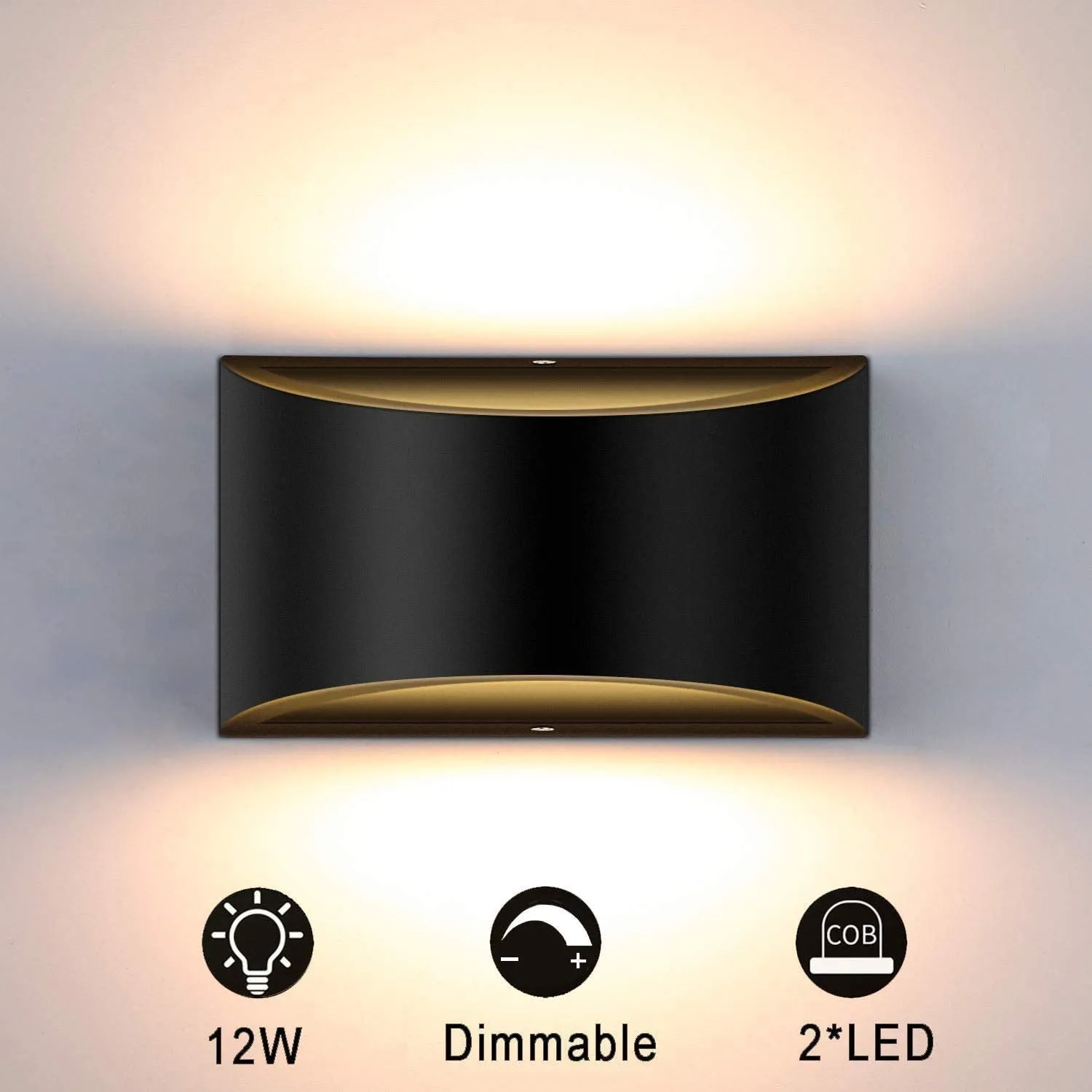
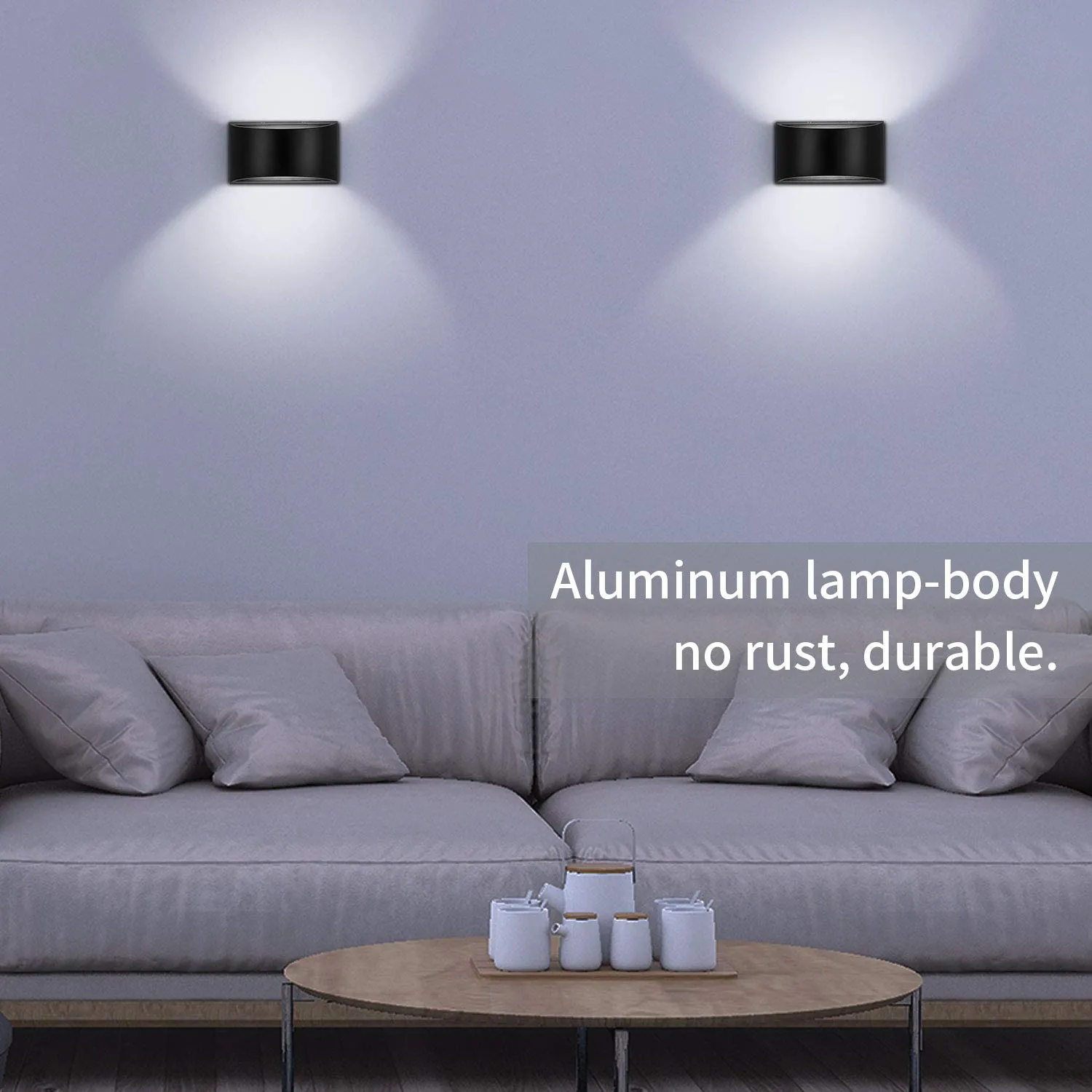
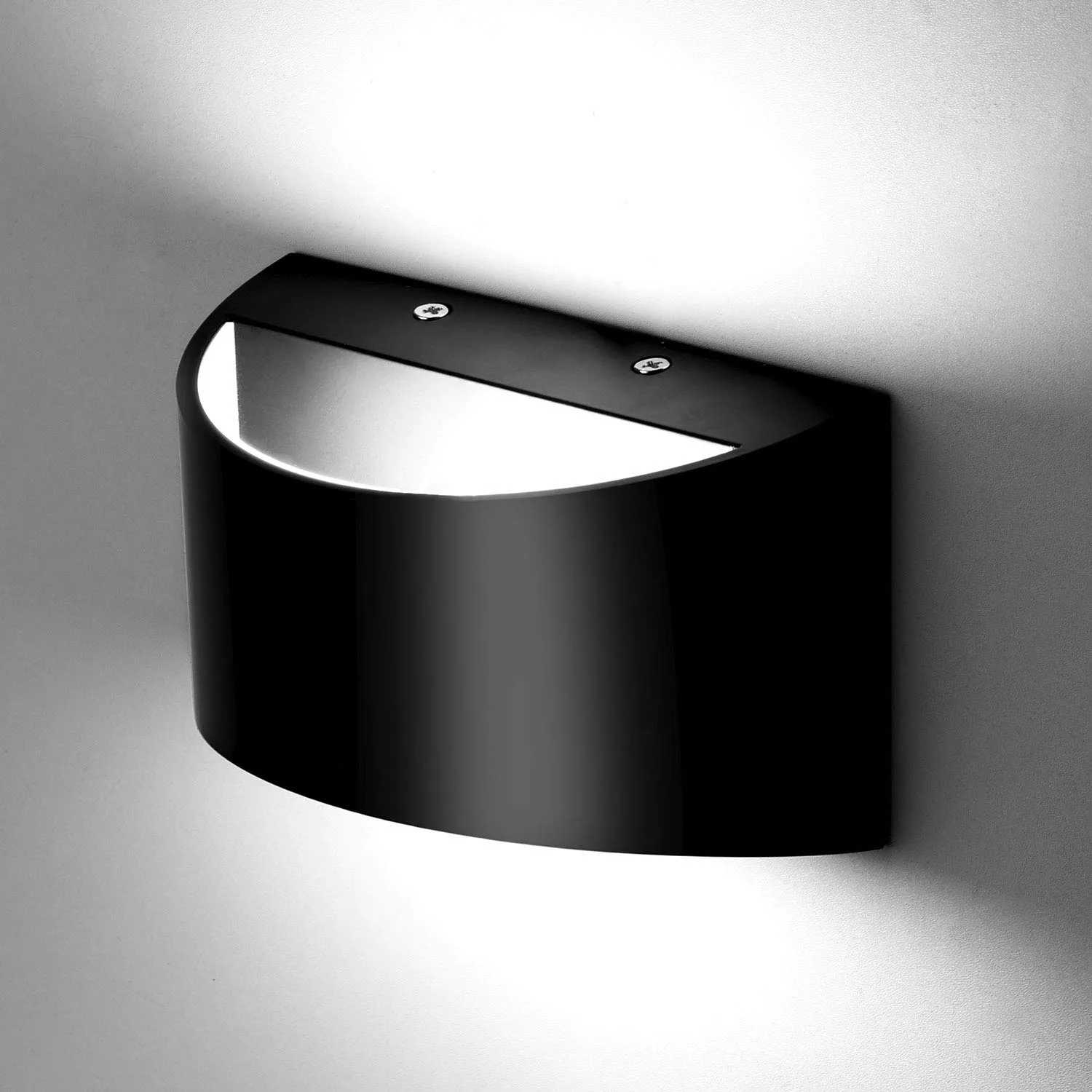
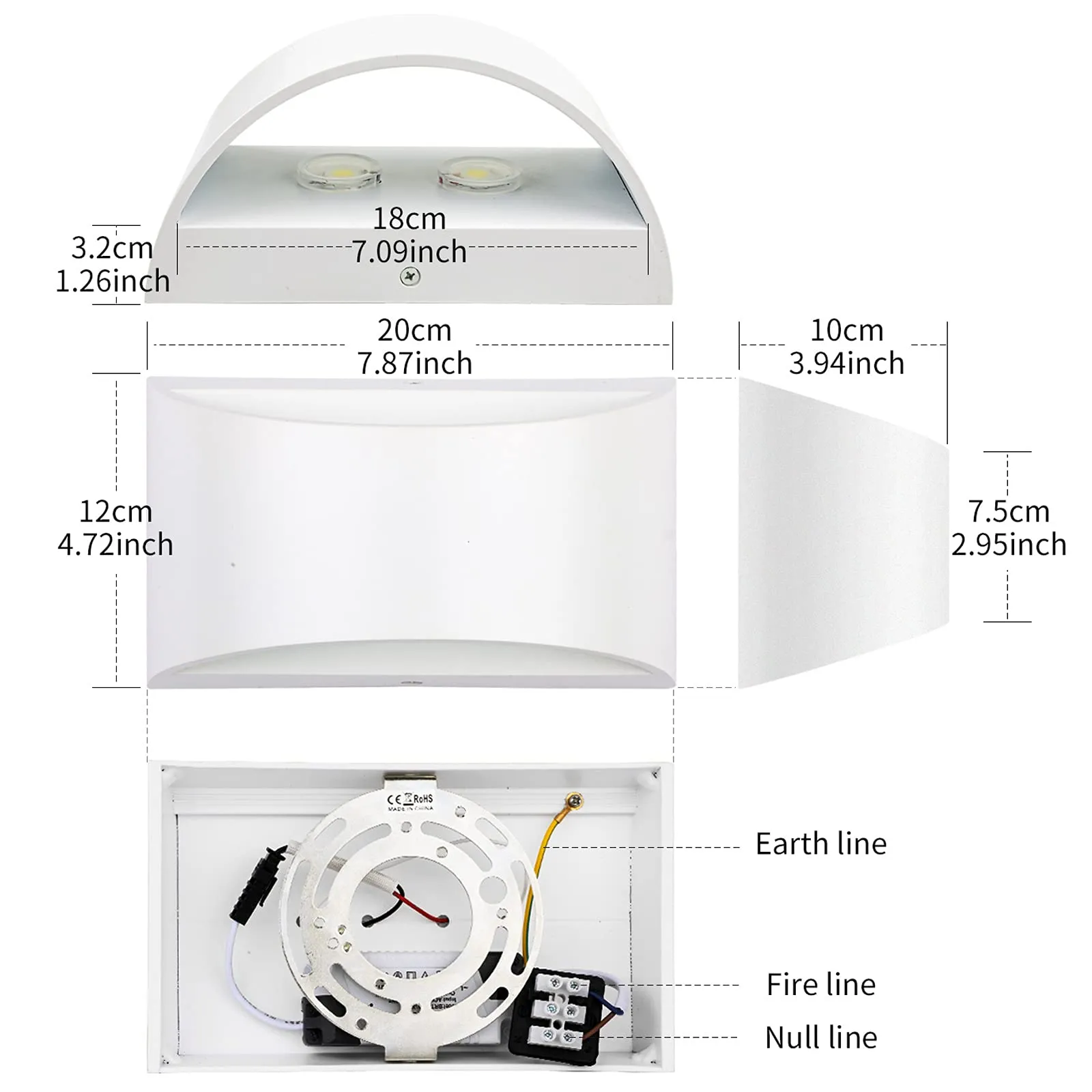
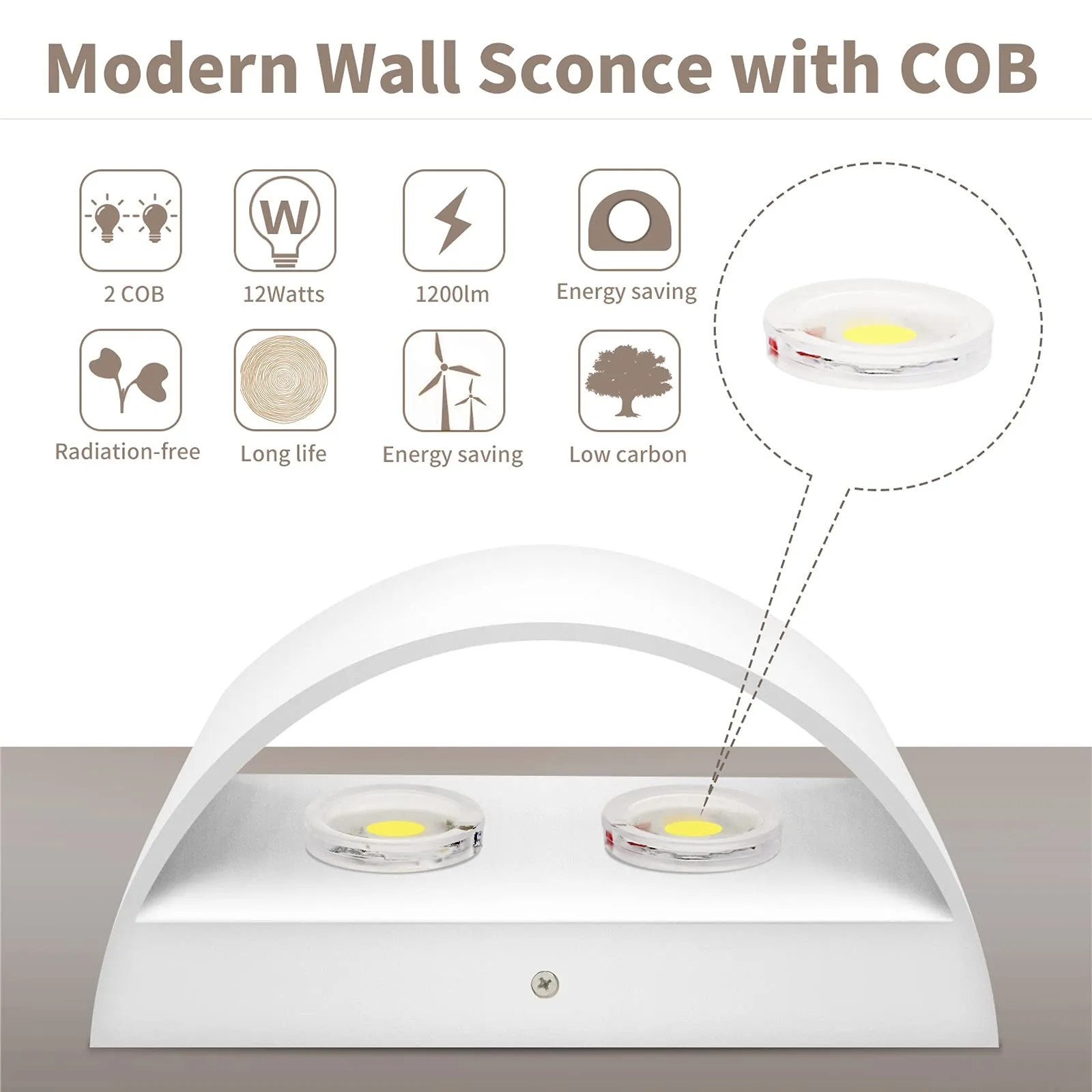
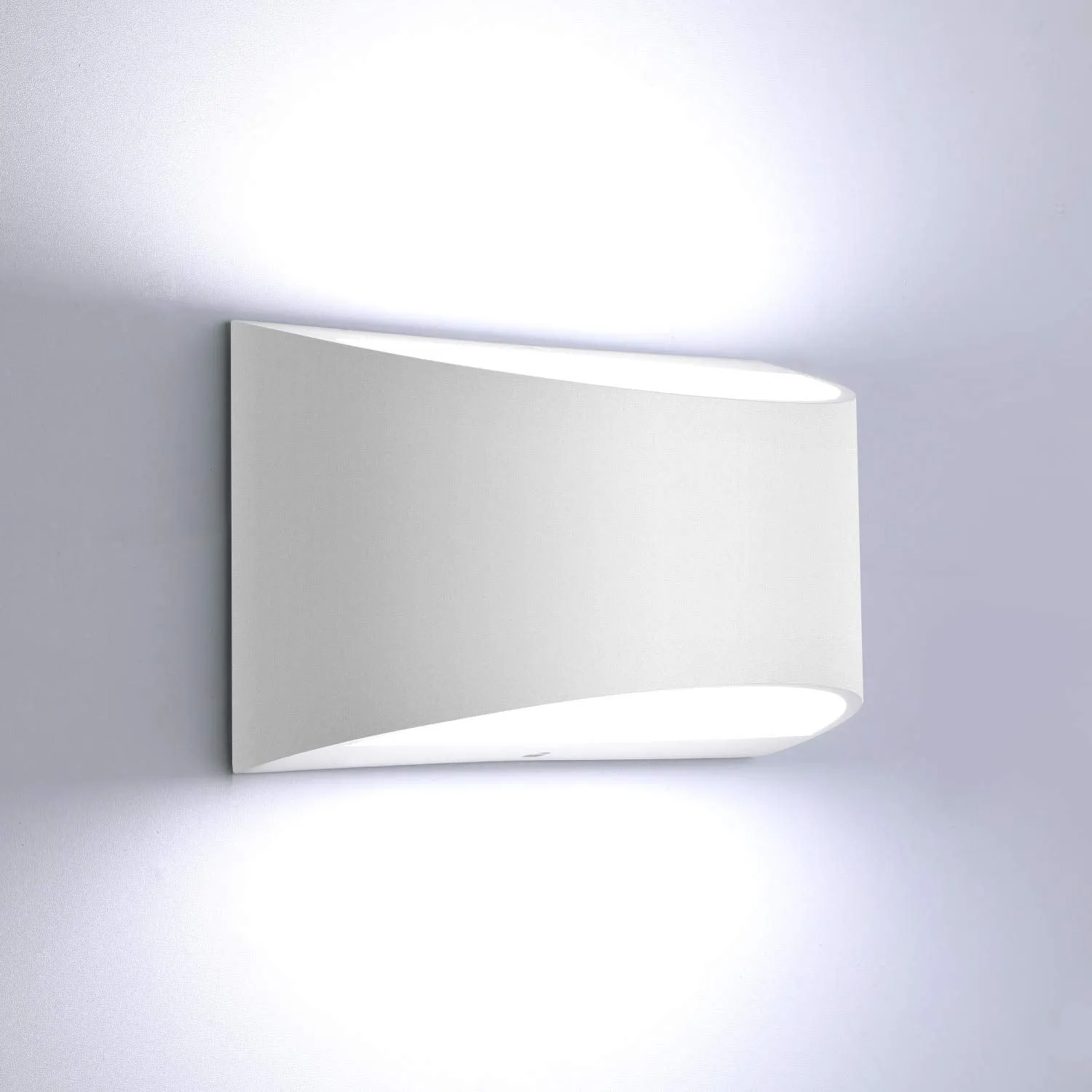
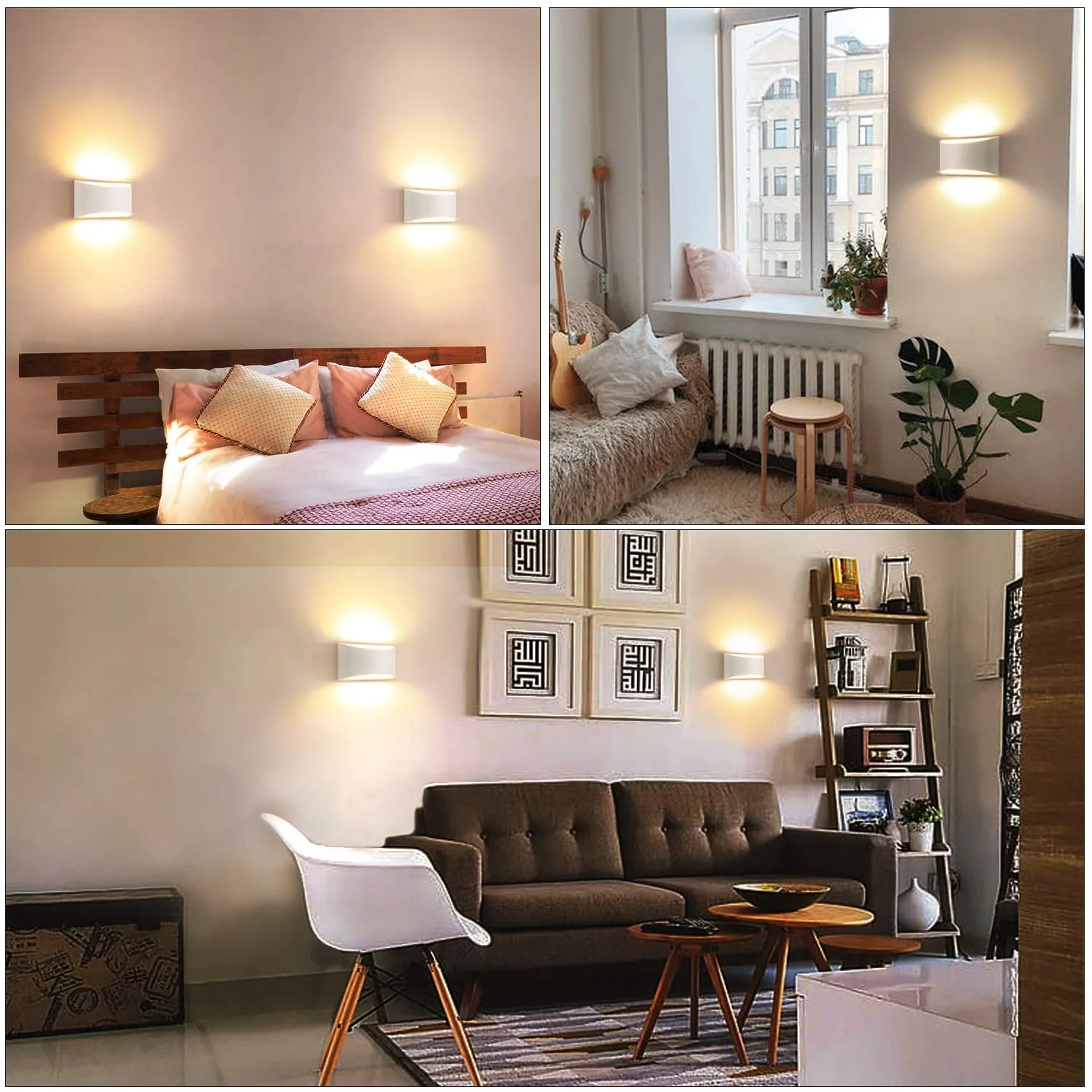
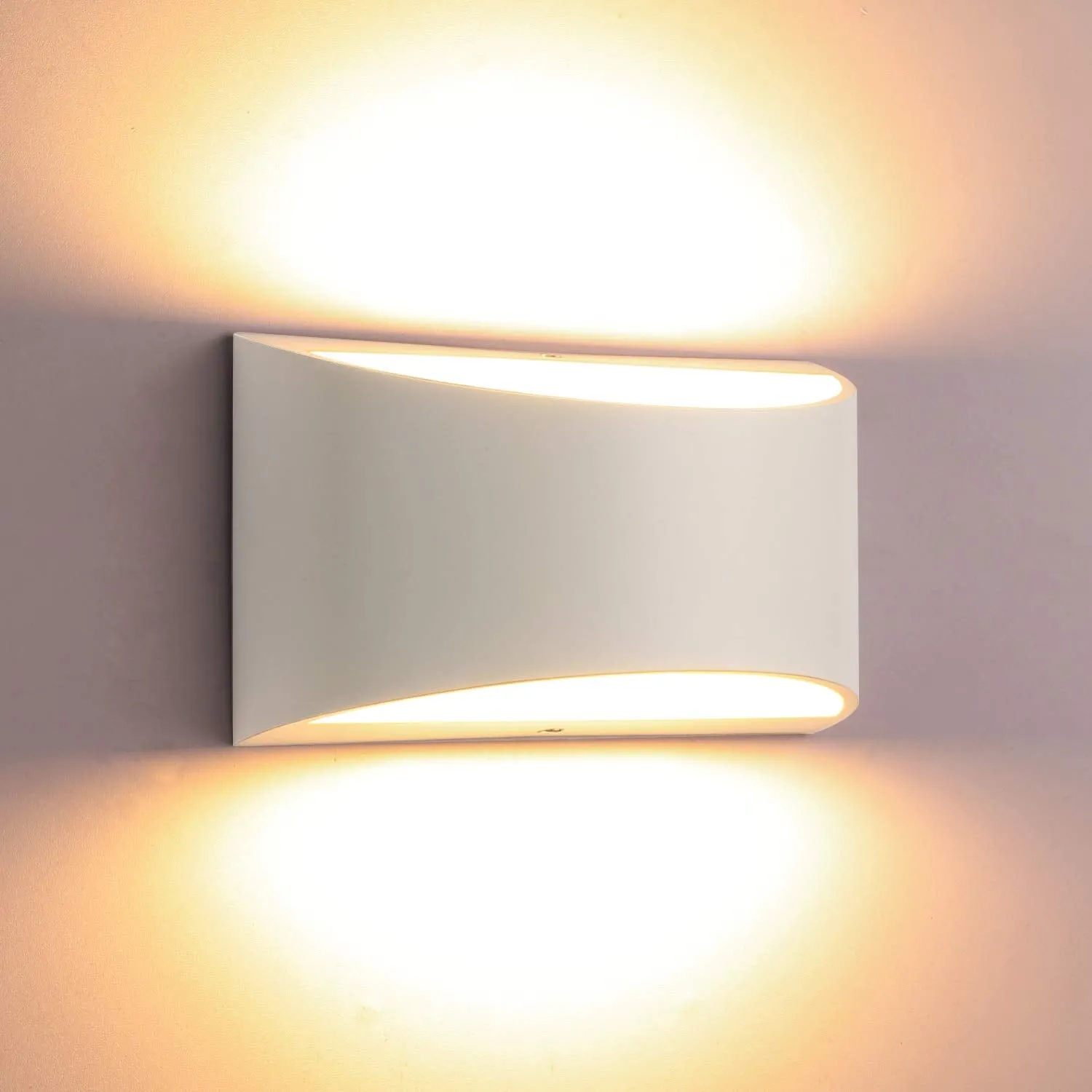
For this specific layout, a flush, minimalist fixture like the Modern LED Wall Sconce Indoor Up Down Wall Lamp is an exceptionally smart choice.
   ▲ [Upward Light bounces off ceiling to create height]
 ┌───┐
 │   │ ◄── [Sleek, low-profile flush mount avoids bumps]
 └───┘
   ▼ [Downward Light illuminates bedside area gently]
Why this configuration solves small-room problems:
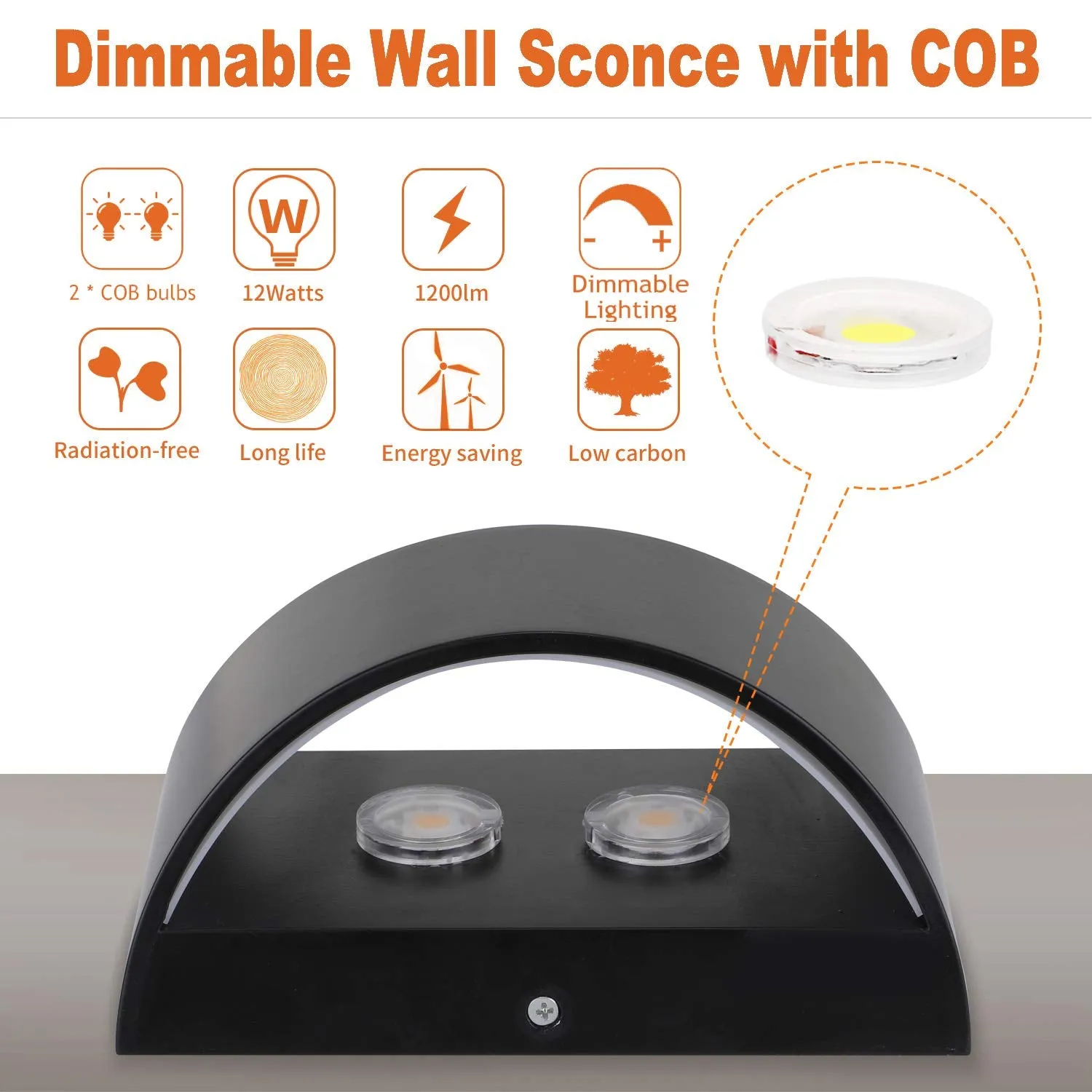
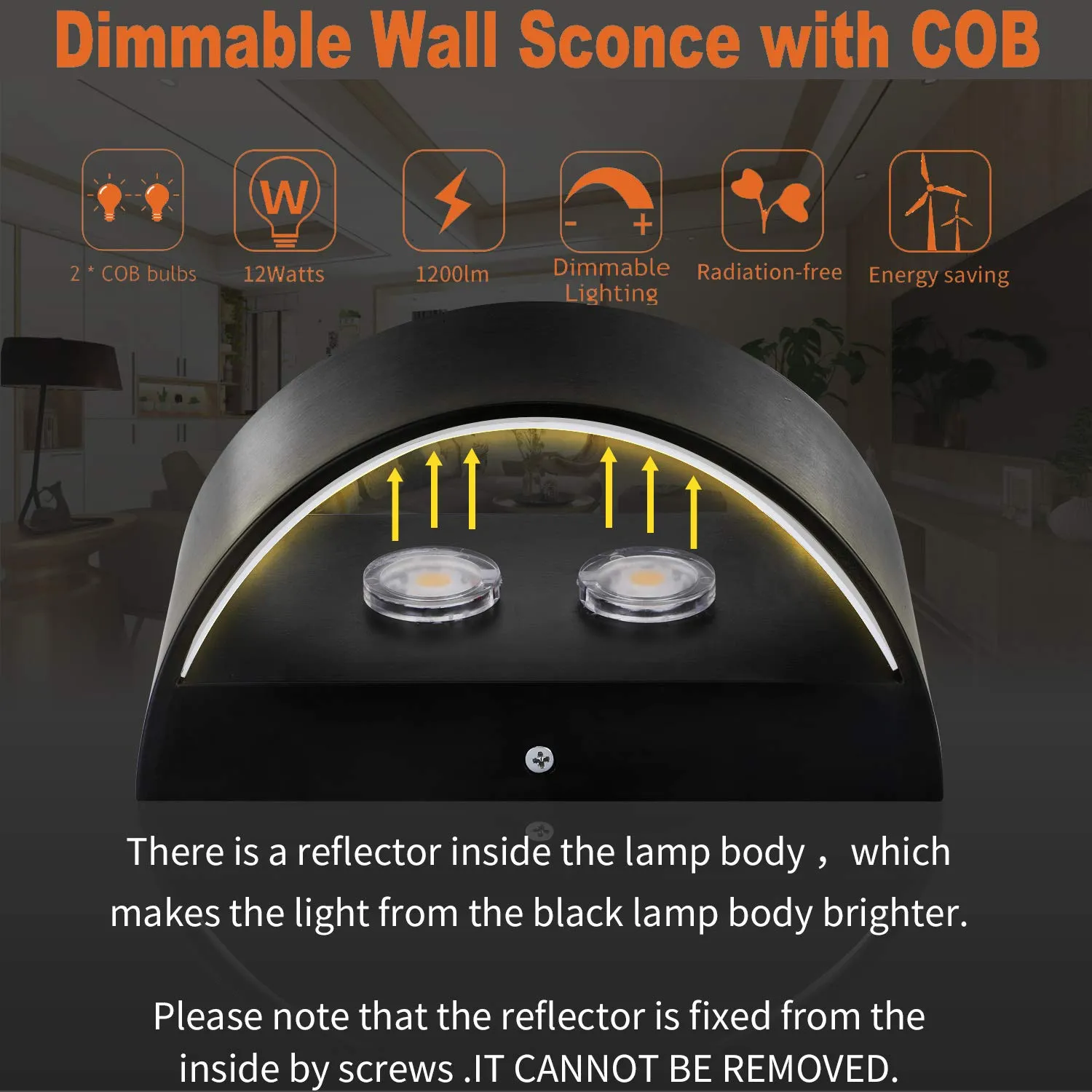
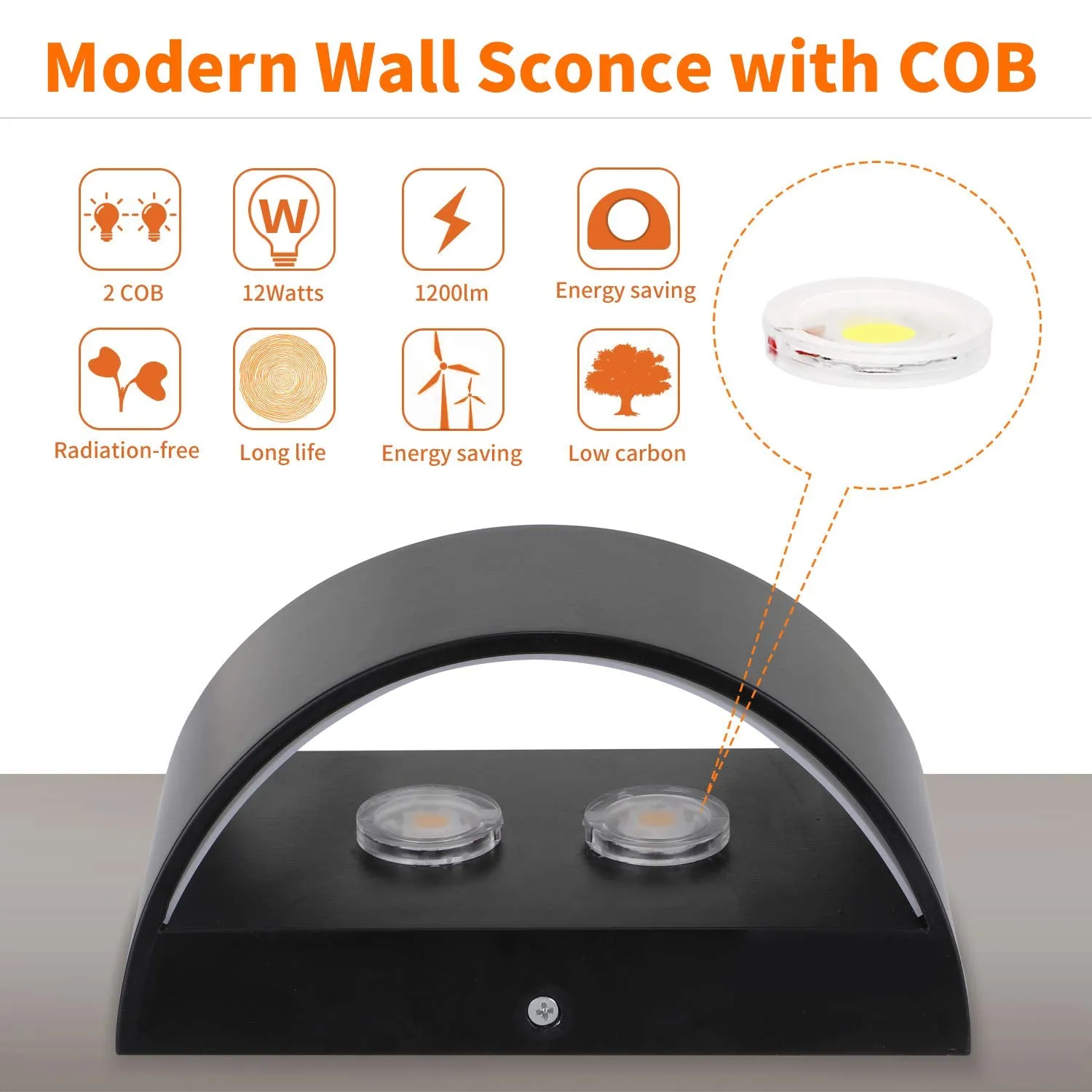
- The 12W Power Sweet Spot: In a tight room, high-wattage bulbs create intense glare that causes eye strain. A 12W LED provides the perfect amount of localized illumination—bright enough for tasks, yet gentle enough for winding down.
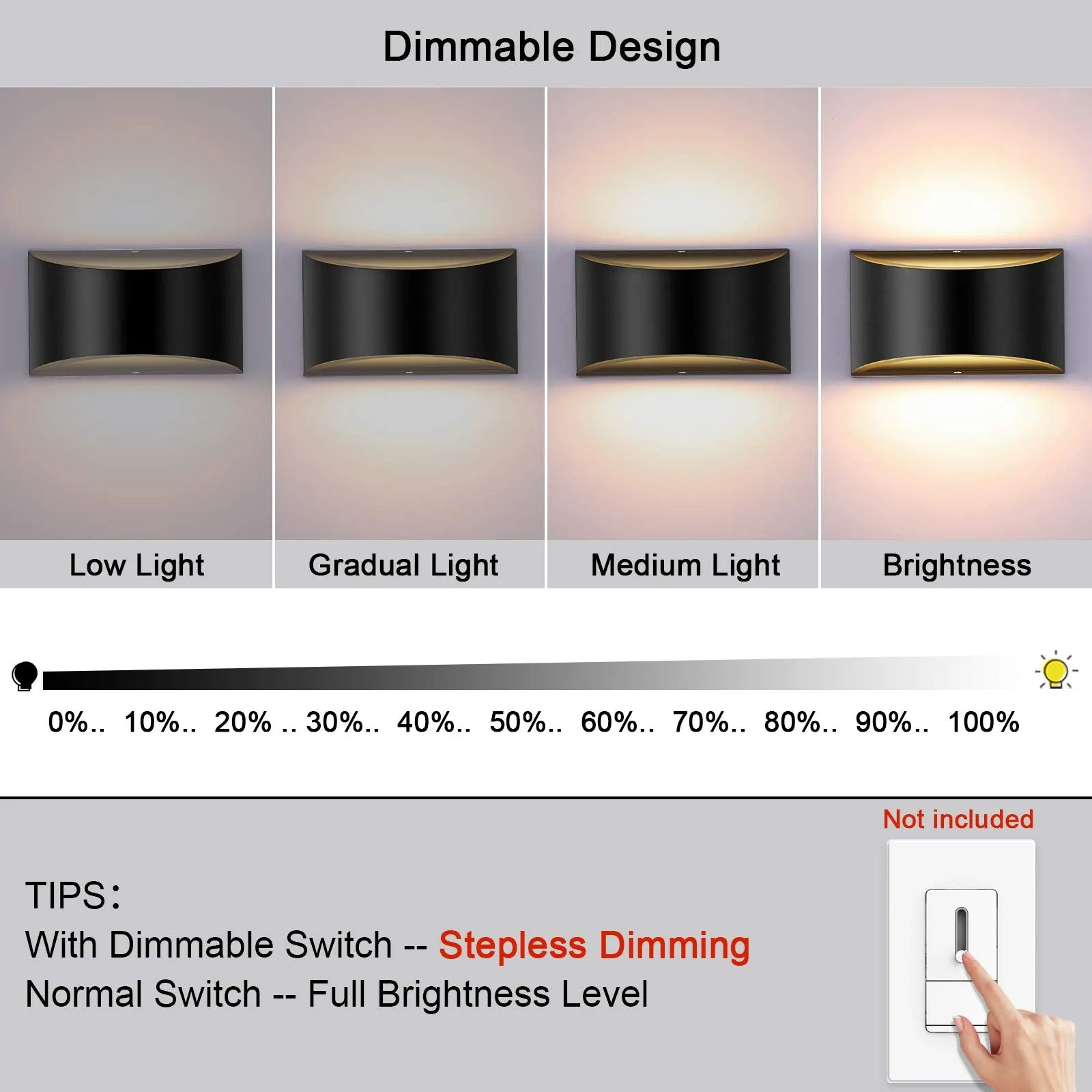
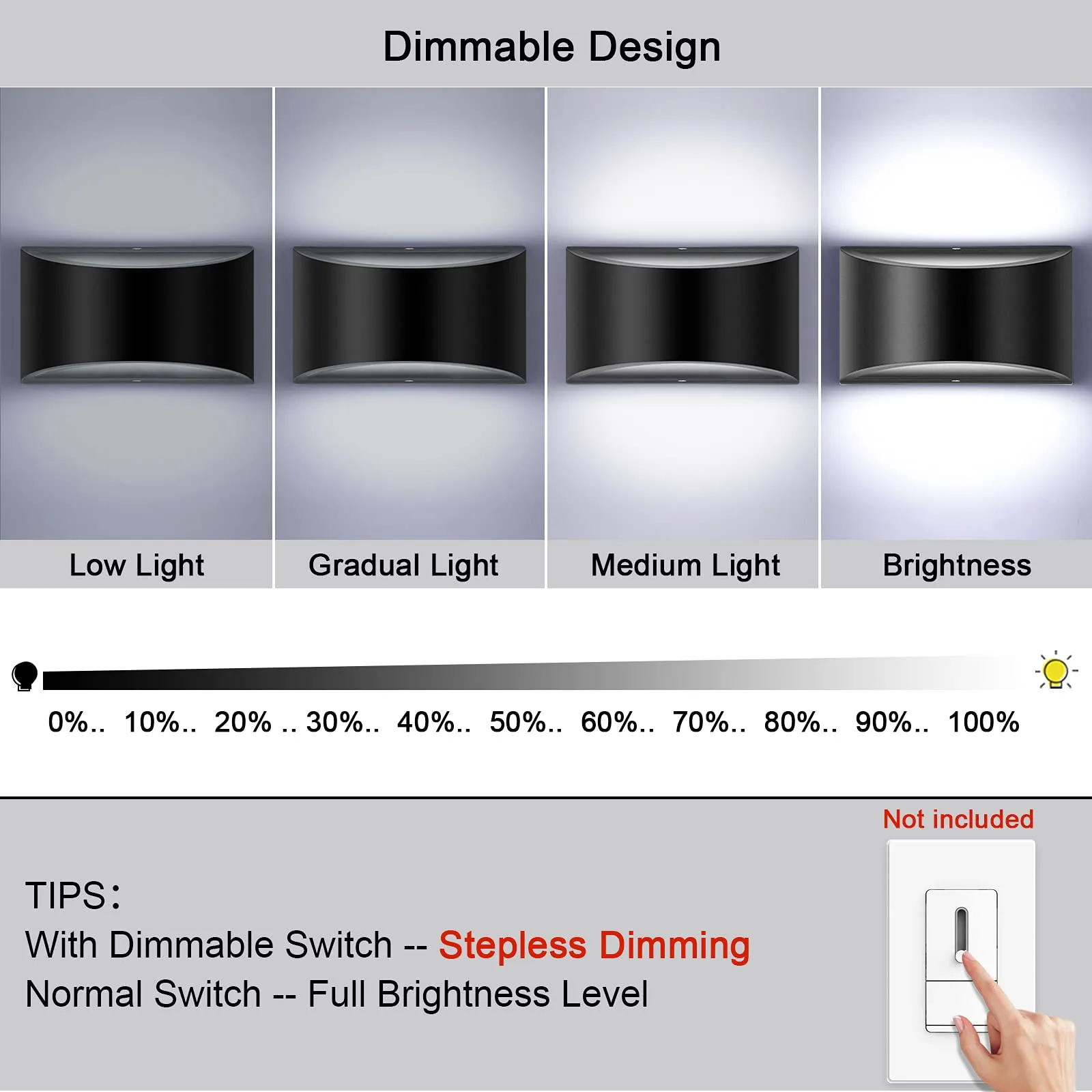
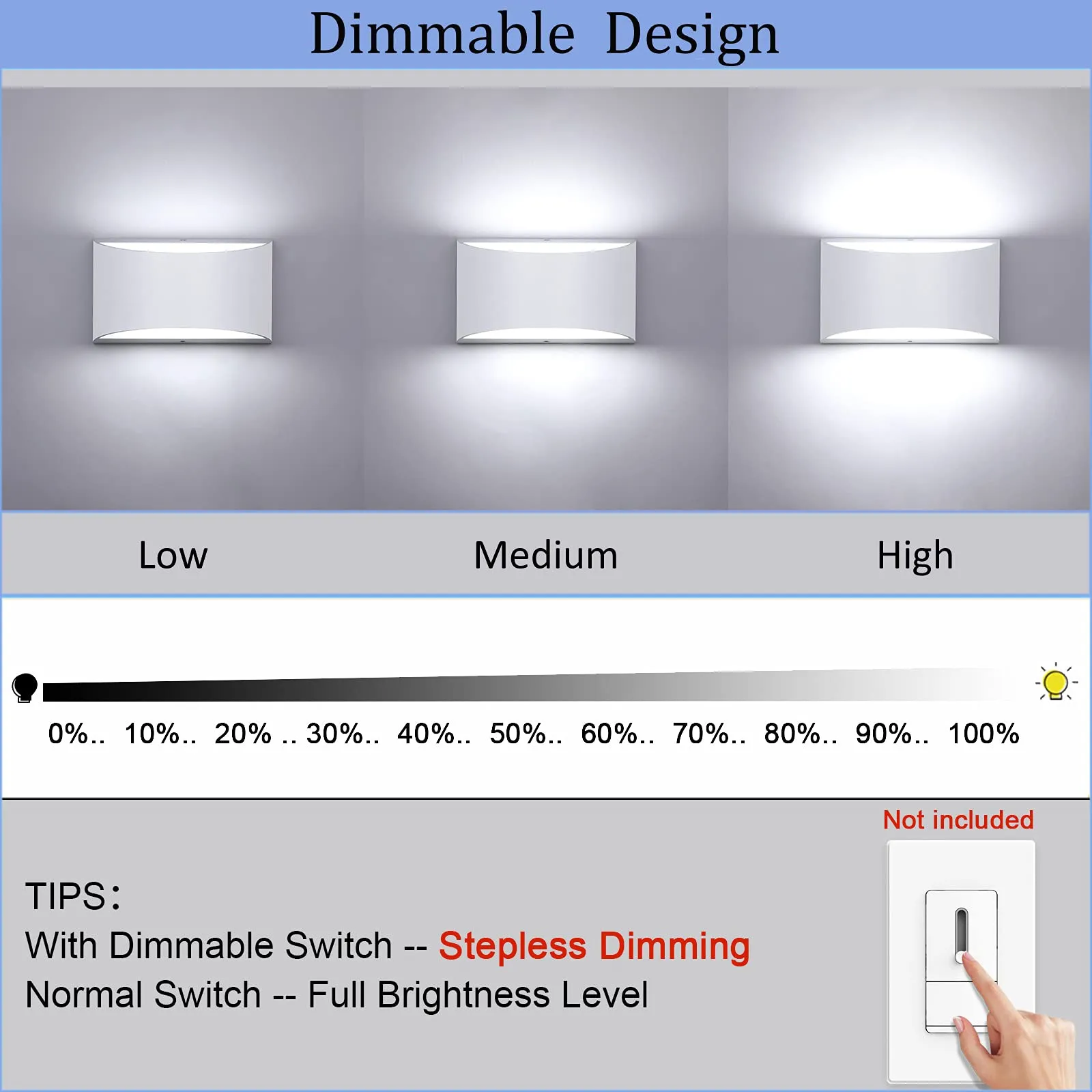
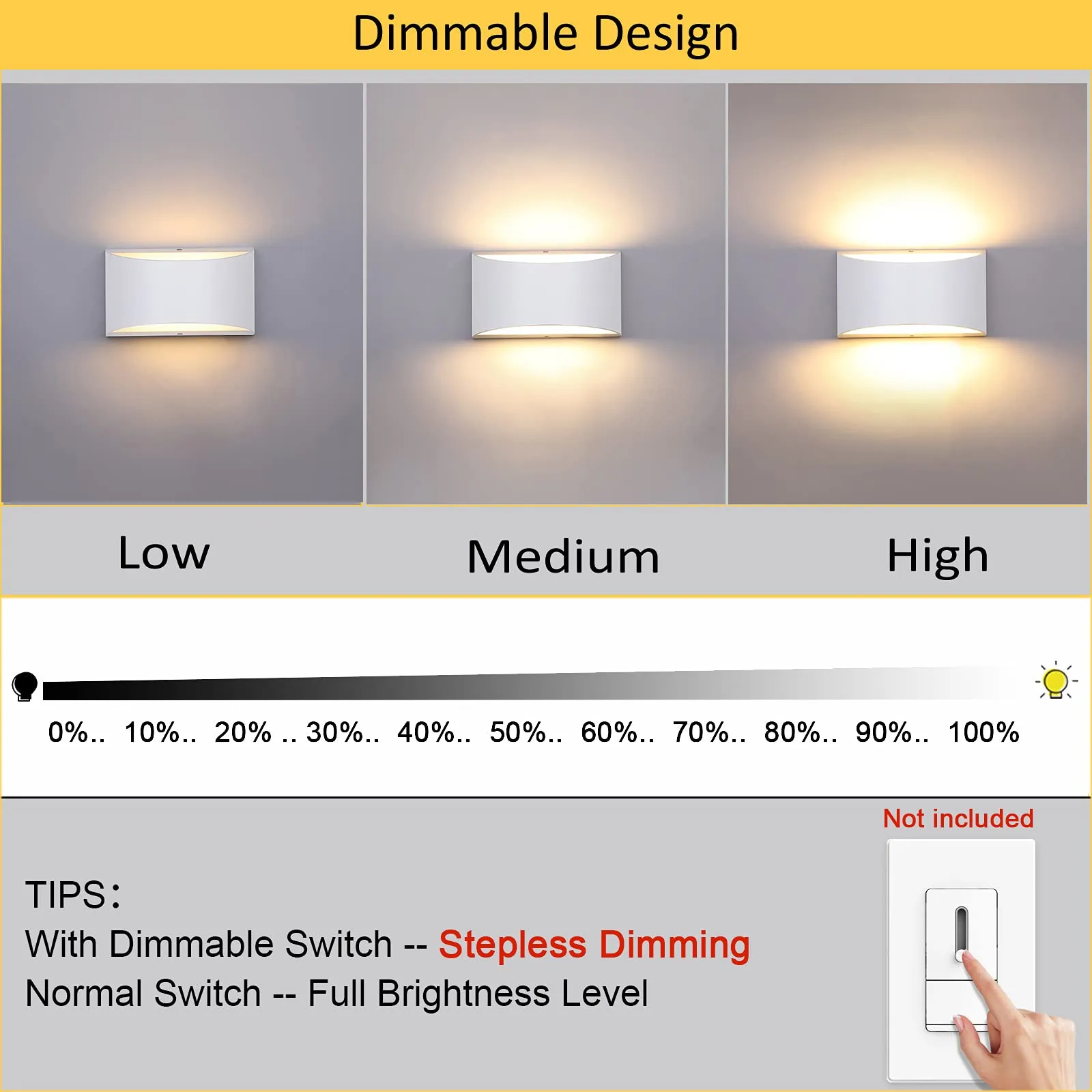
- Continuous Dimmable Control: Your lighting needs change drastically between a dark winter morning and a late-night reading session. Having built-in dimming capabilities allows you to shift the room's mood instantly without needing to install multiple secondary lamps.
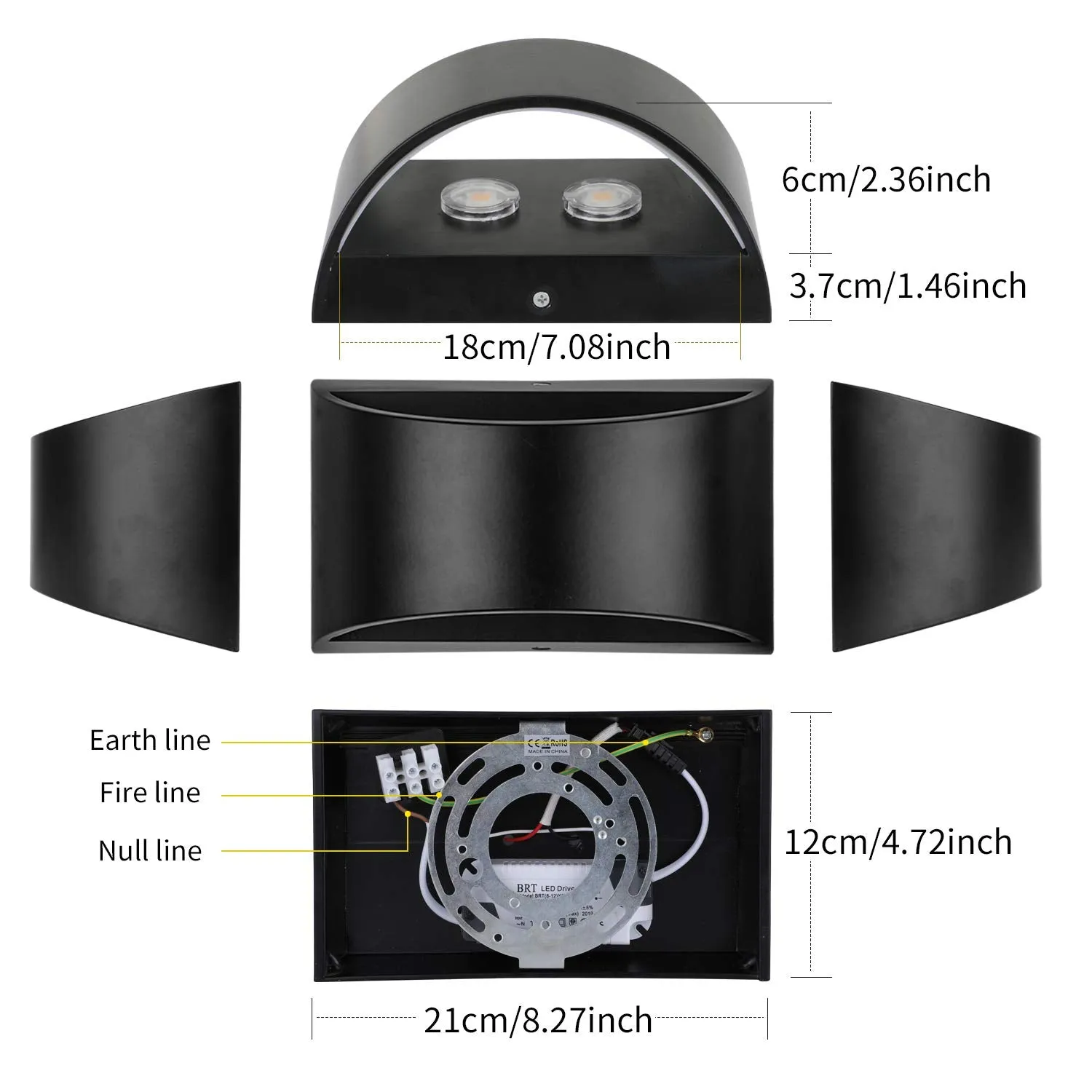
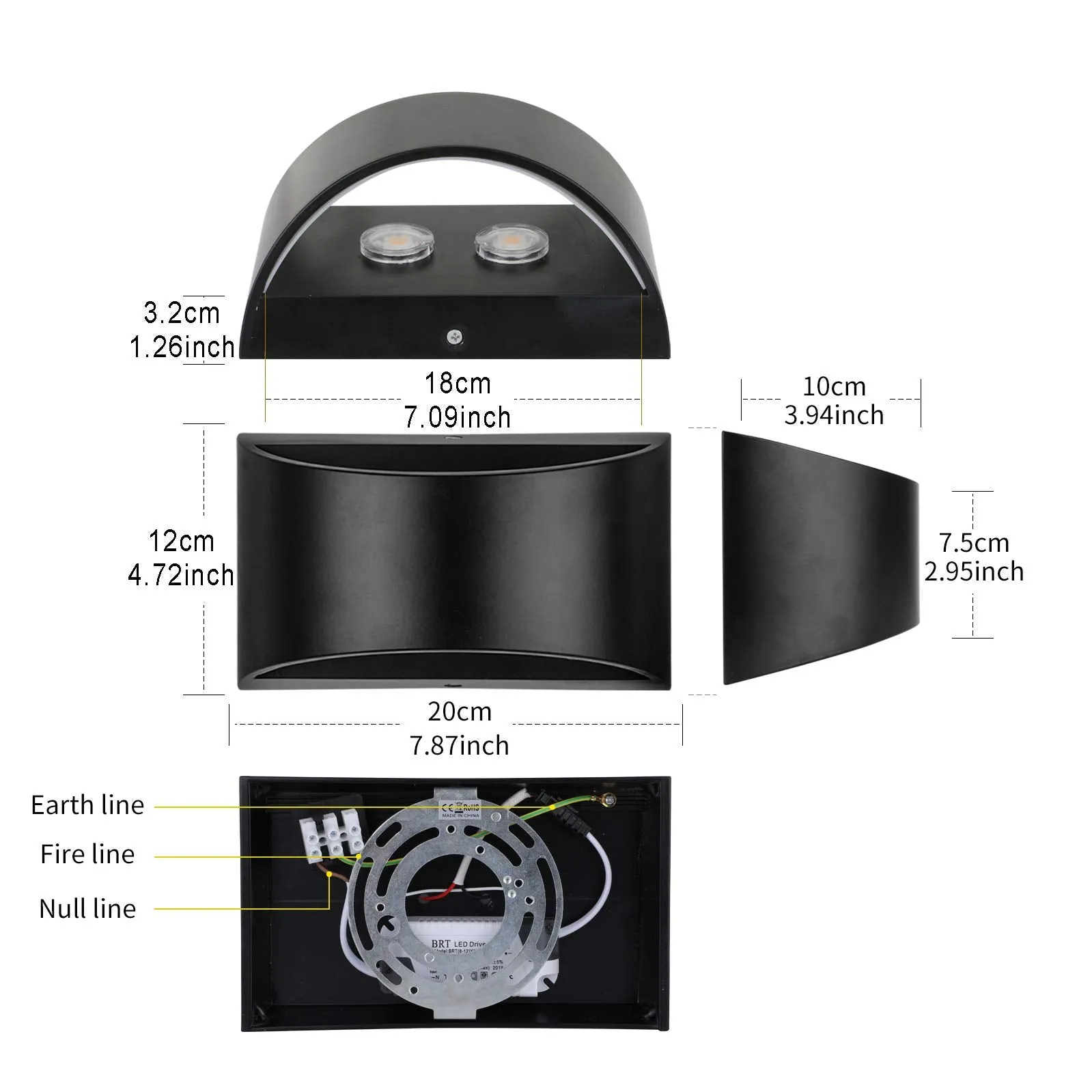
- Ultra-Slim Profile: Space-saving design isn't just about look; it's about physical clearance. Because this modern sconce sits flush against the wall rather than protruding outward on a long, clumsy arm, you won't accidentally knock into it when you are tossing and turning or making the bed.
2. Leverage High-Placement Uplighting to Fake a Higher Ceiling
If your bedroom suffers from low ceilings—a common issue in basements, attics, or older apartment conversions—traditional downlights can make the environment feel slightly oppressive. To counteract this architectural limitation, you need to trick the eye into thinking the ceiling is further away than it actually is. By mounting wall sconces slightly higher than standard bedside height (approximately two-thirds of the way up the wall) and directing the light purely upward, you turn your ceiling into a massive reflector.
Design Rule of Thumb: Bouncing light off a light-colored ceiling scatters the photons evenly throughout the space, eliminating dark overhead corners. This diffuse ambient light blurs the hard line where the wall meets the ceiling, creating an airy, weightless optical illusion.

When utilizing high-level placement, choosing a fixture with a warm white color profile (around 3000K) is crucial. A harsh, cool white light bounced off the ceiling can make a small bedroom feel clinical, like a doctor's examination office. A gentle, warm white tone mimics the soft glow of a setting sun, keeping the cozy essence of a bedroom intact while expanding its perceived volume. To ensure perfect proportions, check out our guide on The Best Height for Mounting Wall Sconces in Every Room.
3. Go Full Minimalist with Headboard-Integrated Lighting
When a bedroom is so narrow that your bed frame sits flush against both side walls, traditional wall mounting on the sides becomes impossible. You literally do not have the clearance to mount a lamp without blocking your ability to get in and out of bed. In these extreme structural layouts, the smartest move is to integrate your wall lights directly into your headboard or mount them precisely above the center of the bed structure.
- Streamlined Flow: Mounting a low-profile geometric sconce centered directly above your headboard creates a singular architectural focal point. Instead of your eyes jumping from the bed to a lamp to a table, the entire sleeping zone reads as one clean, organized unit.
- Zoned Light Control: Because high-quality modern LED sconces utilize precise internal reflectors, they direct light exactly where it needs to go—up and down the wall surface—rather than scattering it sideways. This means you can comfortably read a book in bed under a dim setting without casting a blinding glare across the entire room, allowing your partner to sleep undisturbed.
- Safety & Heat Management: Traditional halogen or incandescent wall lights get hot to the touch, making them a safety hazard if mounted close to pillows, bedding, or wooden headboards. Switching to specialized LED fixtures ensures the casing stays completely cool, giving you total peace of mind in tight quarters.
4. Counteract the "Tunnel Effect" with Geometric Symmetry
Long, narrow bedrooms often suffer from what interior designers call the "tunnel effect." When you walk into the room, your eyes are immediately pulled straight down a long, narrow corridor toward the back wall, which emphasizes how restrictive the width of the space is. You can break up this awkward visual momentum by using a pair of identical wall sconces to establish a strong axis of symmetry.
When you place two cleanly styled, modern rectangular sconces on opposite walls, or perfectly framing a central element like a vanity mirror or the bed, you create a powerful visual anchor. The eye naturally stops to process the balanced, harmonious geometric shapes on the walls, rather than rushing down the length of the room.
Furthermore, the clean, structured shadow lines cast by modern up-down lights act like vertical artwork. They add depth, texture, and architectural interest to plain, flat drywall without requiring you to hang heavy picture frames or install protruding shelves that take up physical breathing room.
5. Illuminate Awkward Corners to Erase Spatial Boundaries
Every small bedroom has them: that weird, dark alcove behind the door, a shallow recess created by an internal pipe chase, or a sharp angle under a sloped roofline. The natural instinct is to ignore these spaces or pack them full of storage boxes. However, leaving these architectural quirks dark actively damages the room’s feel, because the brain perceives a dark corner as a hard, abrupt stop to the room's borders.
By mounting a compact wall light directly inside an awkward nook or corner, you instantly transform a structural drawback into a deliberate design feature.
- The Reading Nook Transformation: Place a small armchair or a plush floor cushion underneath a wall sconce in a neglected corner to instantly create a private, functional reading corner out of thin air.
- Floating Vanity Lighting: If you don't have room for a full dresser, mount a simple floating shelf and a mirror in an empty alcove. Flank the mirror with a sleek up-down sconce to create a fully illuminated dressing and grooming station that takes up zero floor space.
The Small-Room Lighting Checklist
Before picking out a wall fixture, use this analytical breakdown to ensure your choice aligns with small-space interior design principles.
| Lighting Feature | Target Specification | Why It Is Crucial for Small Bedrooms |
|---|---|---|
| Profile Depth | Flush or Low-Profile (under 5-8 cm) | Prevents you from bumping your shoulders or hips when navigating tight walkways around the bed. |
| Light Direction | Dual-Directional (Up & Down) | Visually elevates low ceilings while simultaneously providing direct task lighting below. |
| Dimming Range | Continuous or Step-Dimming | Essential for transforming a single multi-functional small room from a bright workspace into a cozy sleep sanctuary. |
| Color Temperature | Warm White (2700K - 3000K) | Softens the harsh angles of tight walls, promoting relaxation and protecting your natural sleep cycle. |
| Light Source | Integrated LED (e.g., 12W) | Delivers high energy efficiency and stays completely cool to the touch near bedding and curtains. |

Final Thoughts: Reclaim Your Space
Designing a small bedroom isn't about making sacrifices; it's about changing your perspective on layout options. When you stop looking at your floor layout and start looking at the untapped potential of your walls, you open up a completely new world of design possibilities. Upgrading to a slim, dual-directional, dimmable wall light allows you to banish bulky table lamps for good, clear away nightstand clutter, and cast an elegant, balanced glow that makes your room feel beautifully curated, deeply relaxing, and unexpectedly spacious.
Frequently Asked Questions
Q1: Can I use wall sconces if I live in a rental apartment and can't tear open the walls?
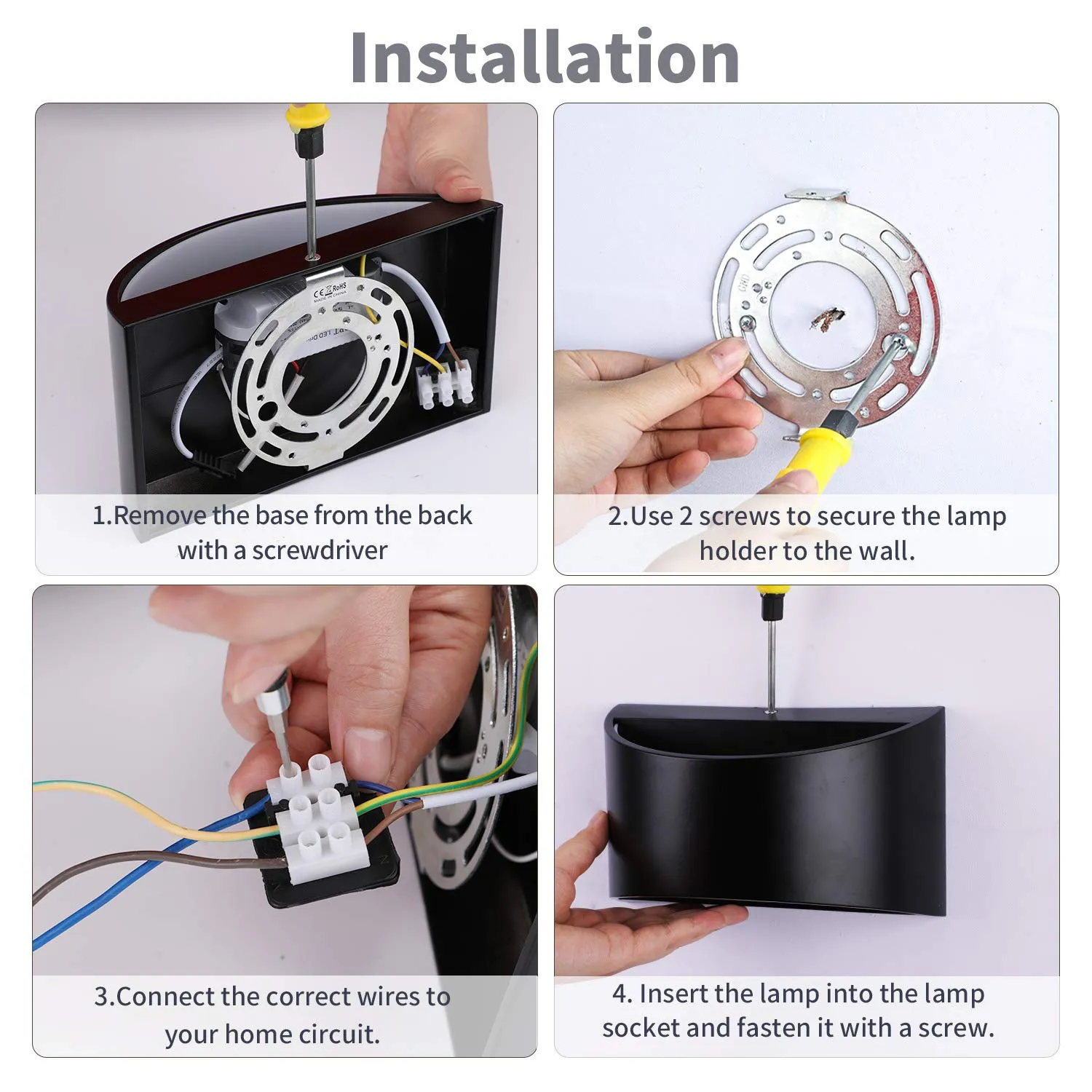
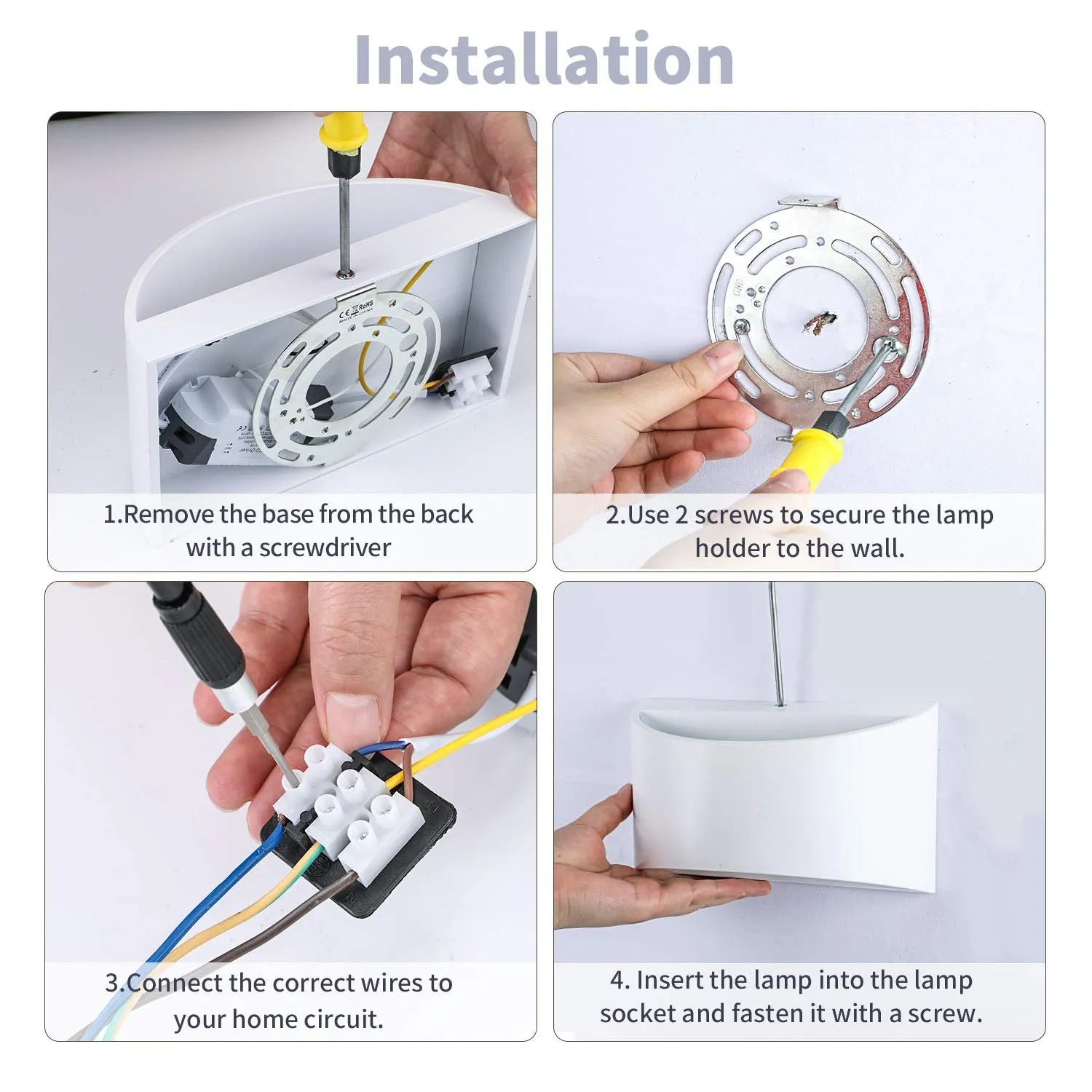
A1: Absolutely. Many space-saving modern wall lights come in plug-in variants, or they can easily be converted. Alternatively, you can install the fixture as a flush-mount decoration and use remote-controlled, rechargeable puck lights inside the housing to completely bypass the need for structural electrical work.
Q2: What is the optimal installation height for bedside wall sconces?
A2: For bedside reading, wall lights are typically mounted so that the bottom of the fixture sits roughly 60 to 75 centimeters (24 to 30 inches) above the top of your mattress. This ensures the downward light illuminates your reading material without casting glare straight into your eyes when you lie down.
Q3: Why is a 12W LED bulb considered ideal for a small bedroom wall light?
A3: A 12W LED bulb strikes the perfect balance for small rooms because it produces around 900–1000 lumens of light (equivalent to an old 75W incandescent). When split between an upward and downward beam, it provides sufficient illumination to brighten the space without turning a small room into an uncomfortably hot or blindingly bright box.
Q4: How do dual-directional (up-down) lights actually make a room look bigger?
A4: They manipulate your visual perception. Downward light grounds your furniture and illuminates core functional paths, while upward light washes across the ceiling, actively bouncing light back down into dark corners. This completely eliminates hard boundaries and harsh shadows, making walls feel wider and ceilings feel taller.
Q5: Should I choose hardwired or plug-in sconces for a minimal look?
A5: Hardwired sconces provide the ultimate clean, seamless look because all electrical wiring is hidden entirely inside the wall plate. However, if you choose a plug-in model, you can still maintain a minimalist aesthetic by using paintable cable covers that blend the cord right into your drywall background.